Best Dog Ball for Fetch and Training: Durable Picks Dogs Love
A well-worn tennis ball might seem like the perfect fetch companion, but watch closely during your next play session. Those fuzzy fibers shredding off? They're heading straight into your dog's digestive system. The rubber core breaking down? That's a choking hazard waiting to happen. Finding the best dog ball for fetch and training means looking beyond convenience and focusing on safety, durability, and genuine enjoyment for your pup.
Your dog deserves better than toys that fall apart after a few throws. Whether you're working on recall commands in the backyard or playing marathon fetch sessions at the park, the right ball transforms ordinary playtime into an opportunity for bonding, exercise, and skill-building. The good news? Once you understand what separates quality fetch balls from disposable disappointments, choosing becomes surprisingly simple.
Essential Features of High-Performance Fetch Balls
Durability and Materials for Heavy Chewers
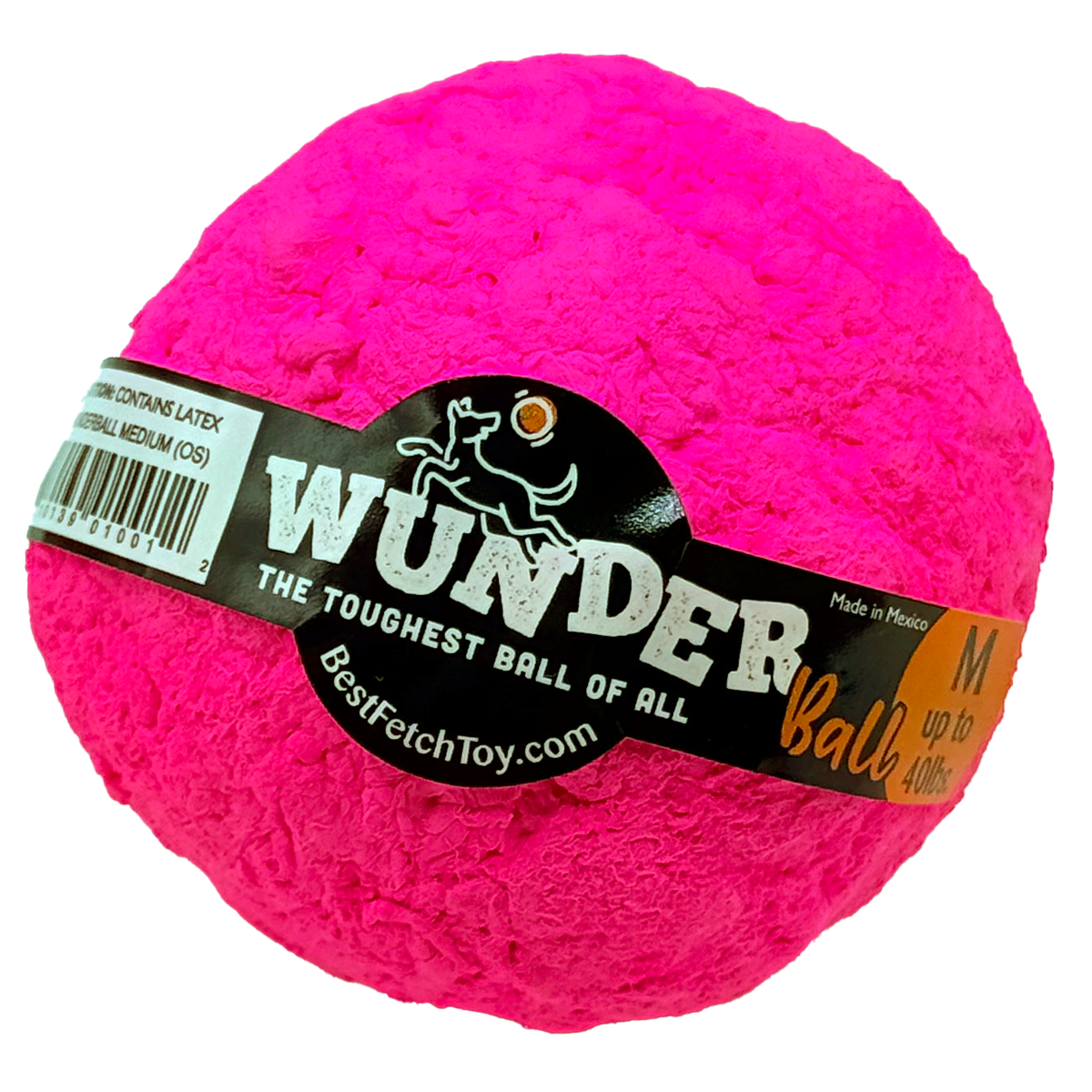
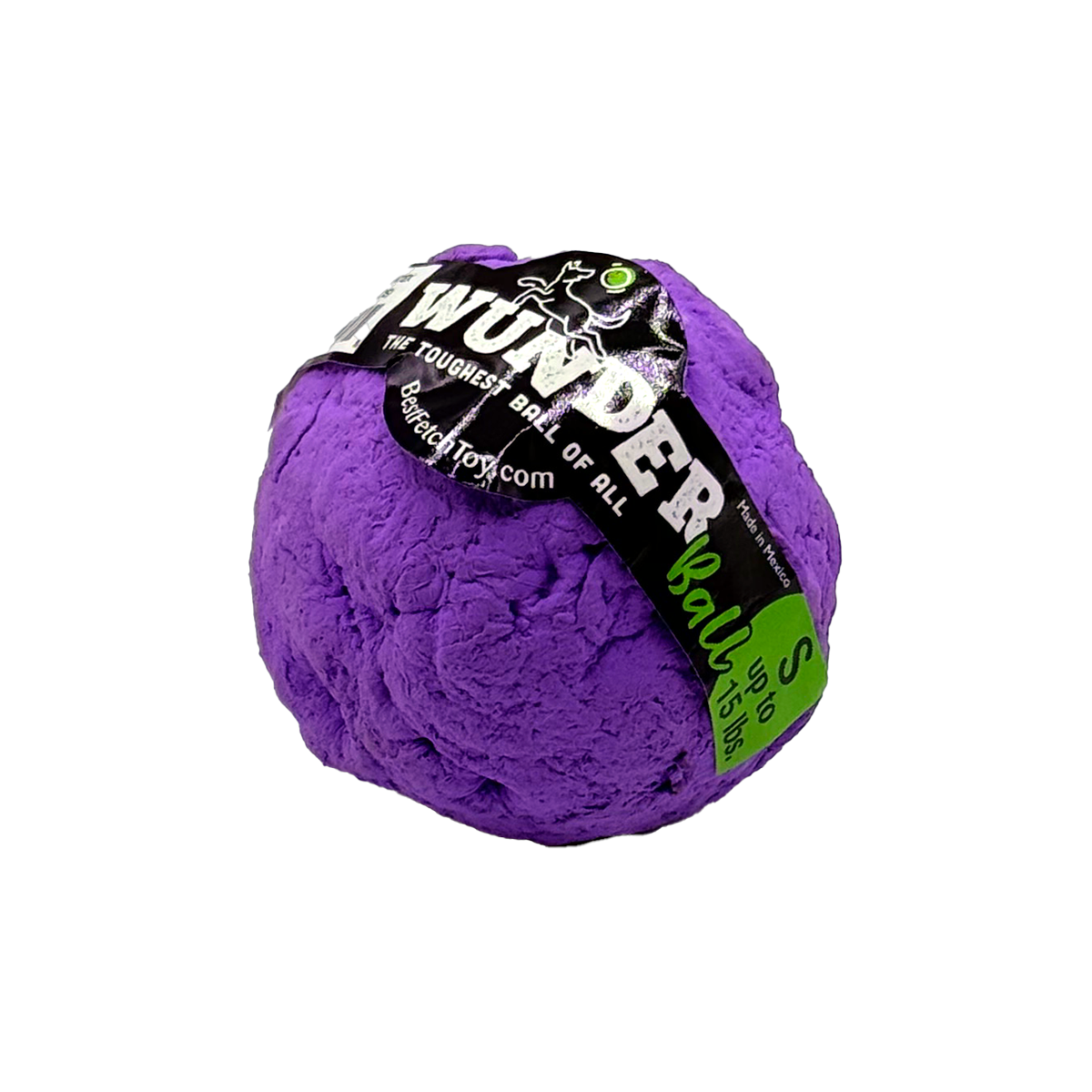
Not all rubber is created equal. Natural rubber offers superior elasticity and longevity compared to synthetic alternatives, bouncing back to shape even after aggressive chewing sessions. The WUNDERball from Wacky Walk'r is made using natural rubber, handcrafted in North America from reclaimed materials. This construction stands up to powerful jaws while being gentler on the environment.
Look for solid construction without seams or weak points where determined chewers can gain purchase. Hollow balls with thin walls might seem like a good idea for lighter dogs, but they rarely survive encounters with enthusiastic mouths.
Visibility and Aerodynamics for Outdoor Play
Bright colors matter more than aesthetics. Dogs see blues and yellows most clearly, so balls in these shades are easier for them to track during flight and locate in tall grass. Orange and red balls, while visible to humans, appear brownish-gray to dogs.
Shape affects flight patterns significantly. Perfectly round balls fly predictably, which is great for beginners learning to track objects. Slightly irregular shapes create unpredictable bounces that challenge experienced fetchers and keep them mentally engaged. The WUNDERball's intentionally imperfect shape produces erratic bounces that dogs find irresistible.
Safety Standards: Non-Toxic and Choke-Proof Sizes
Size selection prevents emergencies. A ball should be large enough that your dog cannot fit it entirely in their mouth, yet small enough to carry comfortably. When in doubt, size up. A ball that's slightly too large is inconvenient; one that's too small can lodge in the throat.
Check for certifications indicating the absence of BPA, phthalates, and lead. Natural rubber products generally do not contain these additives, though they should still be tested for safety and compliance with current ASTM F963 or CPSIA standards for pet toys where applicable.

Top-Rated Durable Picks for Every Breed
Rubber Classics for Power Chewers
Solid rubber balls remain the gold standard for destructive chewers. Their density resists punctures, and quality versions maintain their bounce even after months of use. The WUNDERball exemplifies this category with its textured surface that naturally helps remove loose debris from teeth during play.
Natural rubber also floats, making these balls perfect for water-loving breeds. Lake fetch, pool play, and beach sessions become possible without worrying about losing your investment to the depths.
Lightweight Foam Options for Indoor Training
Foam balls serve a different purpose entirely. They're ideal for apartment dwellers practicing recall commands or teaching puppies the basics of fetch without risking broken lamps. Look for high-density foam that won't crumble under moderate chewing.
These aren't meant for outdoor use or determined chewers. Think of them as training wheels for fetch skills before graduating to more durable options.
High-Visibility Glow and LED Balls
Evening fetch sessions require special equipment. LED balls with internal lights extend playtime into dusk, while glow-in-the-dark options work well for backyard sessions after sunset. Battery-operated versions typically offer brighter illumination but require occasional maintenance.
The tradeoff? These balls rarely match the durability of solid rubber options. Reserve them for supervised play rather than extended chew sessions.
Using Balls as Effective Training Reinforcements
Building Drive and Motivation with Reward Play
For many dogs, a ball represents a higher-value reward than treats. This makes fetch toys powerful training tools when used strategically. Start by making the ball special, keeping it put away except during training sessions. This scarcity builds anticipation and increases your dog's willingness to work for access.
Short, exciting play bursts after successful commands create stronger associations than extended fetch sessions. Thirty seconds of enthusiastic play often motivates better than five minutes of casual throwing.
Teaching the 'Drop It' and 'Leave It' Commands
Two balls solve the "keep away" problem instantly. When your dog returns with ball one, produce ball two and make it exciting. Most dogs drop what they're holding to pursue the new prize. Reward immediately, then repeat with the original ball.
The "leave it" command builds from this foundation. Present the ball, ask for the behavior, and reward compliance with an even better play session. Consistency matters more than duration here.
Interactive Treat-Dispensing Balls for Mental Stimulation
Some training balls combine physical and mental exercise by dispensing treats during play. These work particularly well for food-motivated dogs who need extra encouragement to engage with fetch. The unpredictable reward schedule keeps dogs interested longer than consistent treat delivery.
Use these for independent play sessions when you need your dog occupied constructively. They're not replacements for interactive fetch, but excellent supplements.
Maintenance and Safety Tips for Longevity
Cleaning and Sanitizing Fetch Toys
Weekly washing prevents bacterial buildup that causes odors and potential health issues. Warm water with mild dish soap works for most rubber balls. Avoid harsh chemicals or bleach, which can degrade rubber and leave harmful residues.
WUNDERball from Wacky Walk'r handles water exposure well, making cleaning straightforward. Air dry completely before storage to prevent mold growth.
When to Retire and Replace a Worn-Out Ball
Inspect the toys before each use. Deep gouges, missing chunks, or significant softening indicate replacement time. Even durable balls eventually wear down, and continuing to use compromised toys risks choking hazards or intestinal blockages.
Most quality rubber balls last six months to over a year with regular use. Budget for replacements as part of your pet care expenses rather than pushing toys past their safe lifespan.

Frequently Asked Questions
How do I choose the right ball size for my dog?
Select a ball that your dog can comfortably carry but cannot fit entirely past their back teeth. Most manufacturers provide sizing guides based on breed weight. When uncertain, choose the larger option to prevent choking risks.
Are tennis balls safe for dogs to play with?
Tennis balls pose several concerns: the fuzzy covering wears down tooth enamel, the fibers can cause digestive issues if swallowed, and the rubber core may contain materials not designed for canine use. Purpose-built dog balls offer safer alternatives.
How often should I replace my dog's fetch ball?
Inspect balls weekly and replace them when you notice deep cuts, missing pieces, or significant softening. Quality natural rubber balls typically last six to twelve months, depending on use intensity.
Can fetch balls help with dog training?
Absolutely. High-value toys like balls serve as powerful rewards for many dogs. Use them to reinforce recall commands, teach "drop it" behaviors, and build engagement during training sessions.
What makes natural rubber better than synthetic materials?
Natural rubber offers superior elasticity, durability, and safety. It bounces back to shape after compression, resists punctures better than many synthetics, and avoids the chemical concerns associated with some manufactured materials.
Finding Your Perfect Fetch Companion
The right ball transforms an ordinary backyard into a training ground and strengthens the bond between you and your dog. Prioritize safety through appropriate sizing and non-toxic materials, then match durability to your dog's chewing intensity. Quality fetch toys like the WUNDERball offer the perfect combination of toughness, engaging bounce patterns, and eco-friendly construction that conscientious pet owners appreciate.
Start with one well-chosen ball rather than a basket of cheap alternatives. Your dog will thank you with enthusiastic play sessions, and your wallet will appreciate not replacing shredded toys every few weeks.