Chewy vs. Crunchy Dog Treats: Which Is Better for Your Pup?
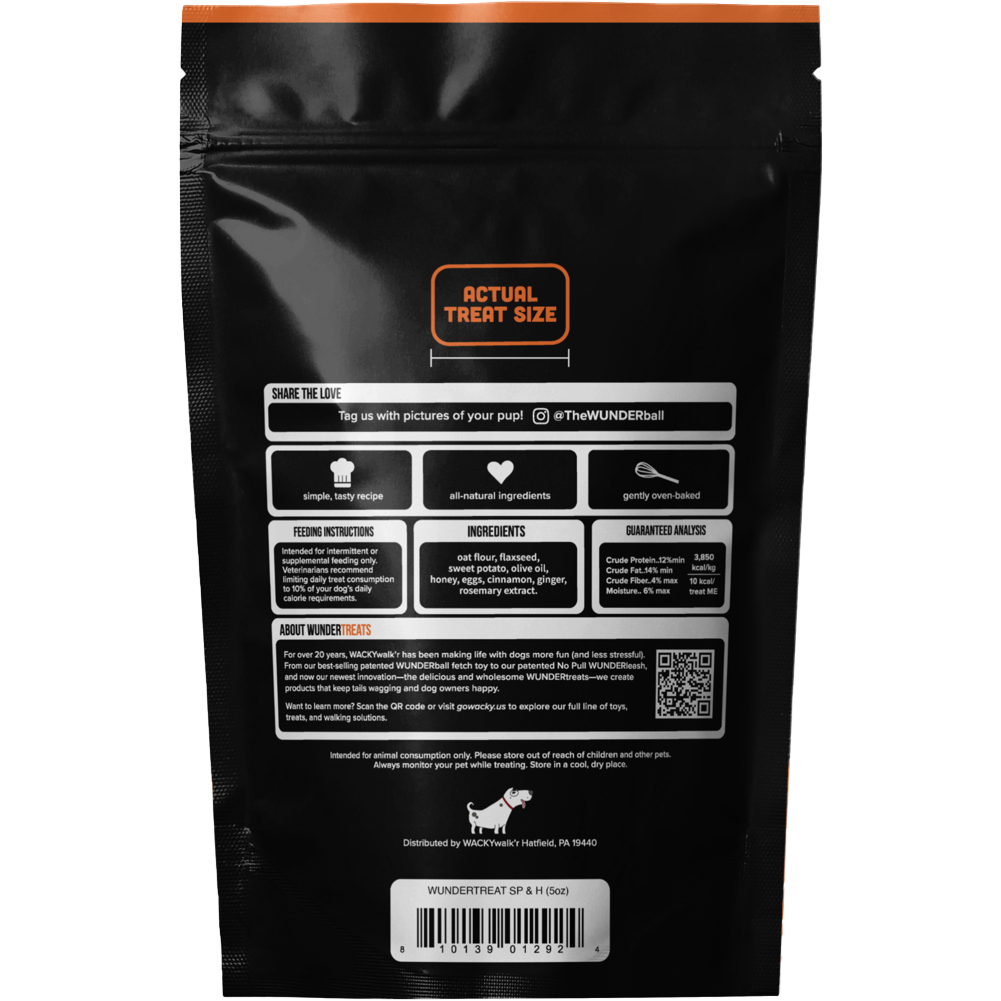
Every dog owner has stood in the pet store aisle, bag of treats in each hand, wondering which texture their pup would prefer. The debate between chewy and crunchy dog treats isn't just about personal preference: it's about understanding what your dog actually needs. Some pups go wild for a satisfying crunch, while others prefer something softer they can savor. The truth is, both textures have distinct advantages depending on your dog's age, health, and training goals. WACKYwalk’r’s WUNDERtreats is a thoughtfully crafted option made with high-quality ingredients and designed to deliver both flavor and functional benefits, making it easier for pet parents to match treat texture and nutrition to their dog’s specific needs.
Choosing the right treat texture can impact everything from dental health to training success. A senior dog with worn teeth has very different needs than an energetic puppy learning basic commands. Your dog's individual profile should guide this decision, not just what's on sale or what looks appealing in the packaging. By understanding the benefits of each texture and exploring trusted options such as WUNDERtreats, which prioritize quality and purposeful formulation, you'll make smarter choices that support your pup's overall wellbeing while keeping treat time exciting.
Understanding the Appeal: Chewy vs. Crunchy Textures
Dogs experience treats differently than we might expect. Texture plays a significant role in how rewarding a treat feels during training or as an everyday snack. Crunchy treats offer that satisfying snap that many dogs find irresistible, while chewy options provide a longer-lasting chewing experience that can feel more like a reward.
Why Texture Matters to Your Dog
Your dog's preference often connects to their natural chewing style. Some dogs are gulpers who barely taste anything before swallowing, making crunchy treats a quick but effective reward. Others are savorer types who want to work on their treat, making chewy options more satisfying. Observing how your dog eats can tell you a lot about which texture will motivate them most during training sessions.
The Science Behind Treat Preferences
Dogs have about 1,700 taste buds compared to humans’ approximately 9,000–10,000, so texture becomes even more important in their eating experience. The mouthfeel of a treat can make it more memorable and desirable. This is why pairing the right texture with high-quality ingredients creates treats your dog will actually work for.

The Benefits of Crunchy Biscuits and Kibble Treats
Hard, crunchy treats have been a staple in dog care for good reason. They offer practical benefits that go beyond simple convenience, making them a smart choice for many situations.
Dental Health and Plaque Reduction
The mechanical action of biting through a crunchy treat helps scrape away some plaque buildup on your dog's teeth. While treats alone won't replace proper dental care, they can contribute to better oral hygiene between brushings. Look for treats with a firm texture that requires actual chewing rather than ones that crumble immediately. The WUNDERball from WACKYwalk’r also supports dental health through its textured rubber surface that can help massage gums and remove some debris during play.
Longer Shelf Life and Storage Convenience
Crunchy treats typically contain less moisture, which means they last longer in your pantry without spoiling. You can buy in bulk without worrying about waste, and they travel well for adventures with your pup. This makes them ideal for keeping in your car, training bag, or scattered around the house for quick rewards.
Lower Calorie Density for Weight Management
Many crunchy treats pack fewer calories per piece than their chewy counterparts. If your dog needs to watch their waistline, crunchy options let you reward more frequently without overloading on calories. This becomes especially important for dogs on a weight management plan who still need positive reinforcement during training.
When to Choose Soft and Chewy Treats
Chewy treats shine in specific situations where their unique properties make them the better choice. Understanding when to reach for softer options can improve your training results and keep your dog comfortable.
High-Value Rewards for Positive Reinforcement Training
Soft treats are the gold standard for training because dogs can eat them quickly without breaking focus. When you're teaching a new command or working through a challenging behavior, you need treats that disappear fast so you can move to the next repetition. The stronger flavor concentration in chewy treats also makes them feel more special to your dog.
Ideal Options for Senior Dogs and Puppies
Older dogs with dental issues or missing teeth often struggle with hard treats. Chewy options are gentler on aging mouths while still providing a satisfying reward. Similarly, puppies with developing teeth benefit from softer textures that won't damage their growing chompers. Always match the treats' hardness to your dog's dental capability.
Stronger Aroma to Entice Picky Eaters
The moisture content in chewy treats helps release more scent, making them irresistible to dogs who turn their noses up at other options. If your pup is a selective eater or seems unmotivated by standard treats, switching to something softer and smellier often does the trick.
Choosing the Right Treat Based on Your Dog's Profile
The best treat choice depends entirely on your individual dog. Taking time to assess their specific needs ensures you're supporting their health while maximizing enjoyment.
Age and Dental Condition Considerations
Puppies under six months and senior dogs over eight years often do better with softer treats. Dogs in their prime, with healthy teeth, can handle crunchier options that provide dental benefits. If your dog has had recent dental work or shows signs of tooth sensitivity, stick with chewy treats until your vet gives the all-clear.
Activity Level and Caloric Needs
Highly active dogs like those who love fetch sessions with toys like the WUNDERball from WACKYwalk’r can handle more calorie-dense chewy treats. Couch potato pups need lower-calorie crunchy options to avoid weight gain. Calculate your dog's daily caloric needs and factor treats into that budget: they should make up no more than 10% of daily calories.
Potential Allergies and Ingredient Sensitivities
Chewy or Crunchy, both types of treats come in various formulas, so always check ingredient lists regardless of texture. Common allergens like chicken, beef, wheat, and soy appear in both chewy and crunchy treats. If your dog has known sensitivities, look for limited-ingredient options in whichever texture suits their other needs.

Frequently Asked Questions
Can I give my dog both chewy and crunchy treats on the same day?
Absolutely! Many trainers recommend having both types available. Use chewy treats during active training sessions and crunchy treats for casual rewards throughout the day. Just monitor total calorie intake across all treats.
How do I know if a treat is too hard for my dog?
Watch how your dog chews. If they struggle, drop the treat repeatedly, or seem reluctant to eat it, the texture may be too hard. Dogs should be able to break treats down within a few bites without excessive effort.
Are chewy treats bad for my dog's teeth?
Not necessarily. While they don't provide the same scraping action as crunchy treats, chewy treats aren't harmful to dental health when fed appropriately. Combine them with regular dental care and occasional crunchy treats for balance.
How many treats can I safely give my dog each day?
Treats should comprise no more than 10% of your dog's daily caloric intake. This varies based on your dog's size, age, and activity level. Consult your vet for personalized guidance on treat portions.
What's the best treat texture for training a new puppy?
Soft, chewy treats work best for puppy training. They're easy on developing teeth, quick to eat, and highly motivating. Choose small pieces to avoid overfeeding during frequent training repetitions.
Finding the Perfect Balance for a Healthy Diet
Most dogs benefit from having both treat types available for different situations. Keep crunchy treats for everyday rewards and dental support, and save chewy treats for training or special moments. WACKYwalk’r’s WUNDERtreats makes it easy to offer that variety with thoughtfully crafted options that combine great taste and purposeful ingredients.
Quality matters more than texture when it comes to your dog’s health. Choose treats made with natural ingredients and avoid artificial preservatives, colors, and fillers. Just as WACKYwalk’r prioritizes safe, thoughtful design across its products, WUNDERtreats reflect that same commitment to carefully selected ingredients and overall wellbeing.
Pay attention to how your dog’s preferences change over time. The goal is a happy, healthy pup who enjoys treat time, whether crunchy or chewy, with quality options you can feel good about.