Dog Toy Waste in Landfills: How Sustainable Brands Are Changing the Game
Every year, millions of dog toys end up in landfills across North America, where they'll sit for decades or even centuries, depending on material composition. That squeaky ball your pup destroyed in three days? It's joining a growing mountain of synthetic rubber, polyester stuffing, and plastic squeakers that our planet simply can't digest. The problem runs deeper than most pet parents realize: the average dog goes through dozens of toys annually, and the vast majority contain materials that will outlast us all.
But here's the encouraging news: you're not powerless in this situation. A growing movement of sustainable brands is tackling dog toy waste head-on, creating products that are kinder to the earth without sacrificing the durability your heavy chewer demands. From recycled rubber balls to biodegradable rope toys, these companies are proving that playtime doesn't have to cost the planet. Understanding how these innovations work can help you make choices that keep your dog happy and your conscience clear.
The Environmental Cost of the Modern Pet Industry
The pet industry has exploded into a multi-billion-dollar market, but that growth comes with a hidden price tag that rarely appears on product labels.
The Rise of 'Fast Toy' Culture and Disposable Plastics
Pet stores overflow with cheap, brightly colored toys designed to catch your eye rather than last through serious play sessions. This "fast toy" mentality mirrors fast fashion: produce cheaply, sell quickly, and replace constantly. Most budget toys contain multiple plastic components, from squeakers to stuffing, that cannot be separated for recycling. When your dog inevitably destroys one, the entire thing heads straight to the trash.
Microplastics and Chemical Leaching in Landfills
Once those toys reach landfills, the real damage begins. Synthetic materials break down into microplastics that seep into soil and groundwater. Chemical additives used to make plastics flexible or colorful leach into surrounding ecosystems. These substances have been found in wildlife, water supplies, and even human bloodstreams. Your dog's discarded toy becomes part of a much larger pollution problem.
Why Traditional Pet Toys Aren't Recyclable
Most recycling facilities can't process pet toys because they're made from mixed materials bonded together. A single toy might contain nylon fabric, polyester filling, a plastic squeaker, and synthetic rubber components. Separating these materials isn't economically feasible, so recycling centers reject them entirely. This design flaw means even well-intentioned pet parents have no sustainable disposal options.

Innovative Materials Redefining Durability and Decay
Forward-thinking brands are reimagining what dog toys can be made from, prioritizing materials that either last longer or break down safely.
Natural Rubber and Sustainably Sourced Latex
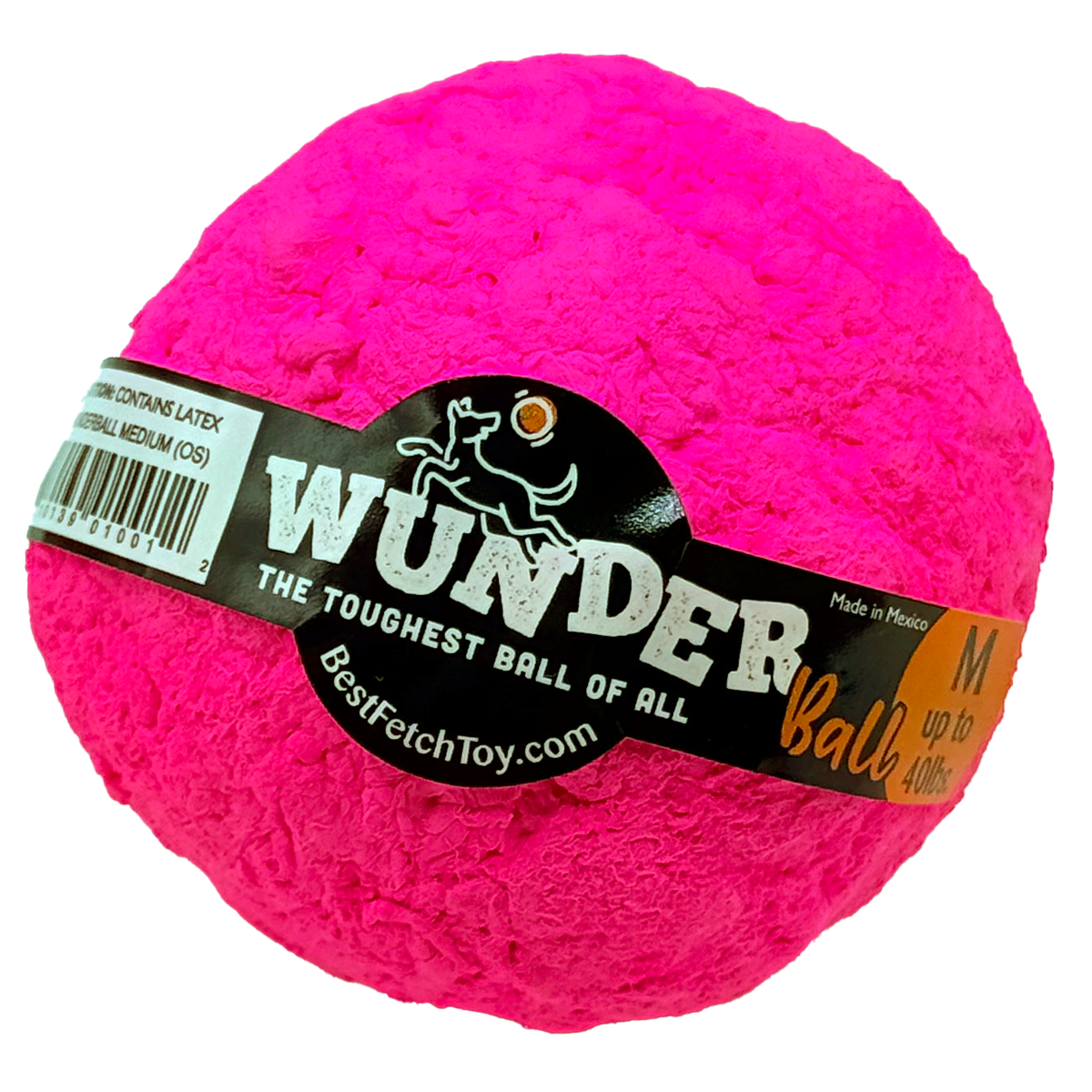
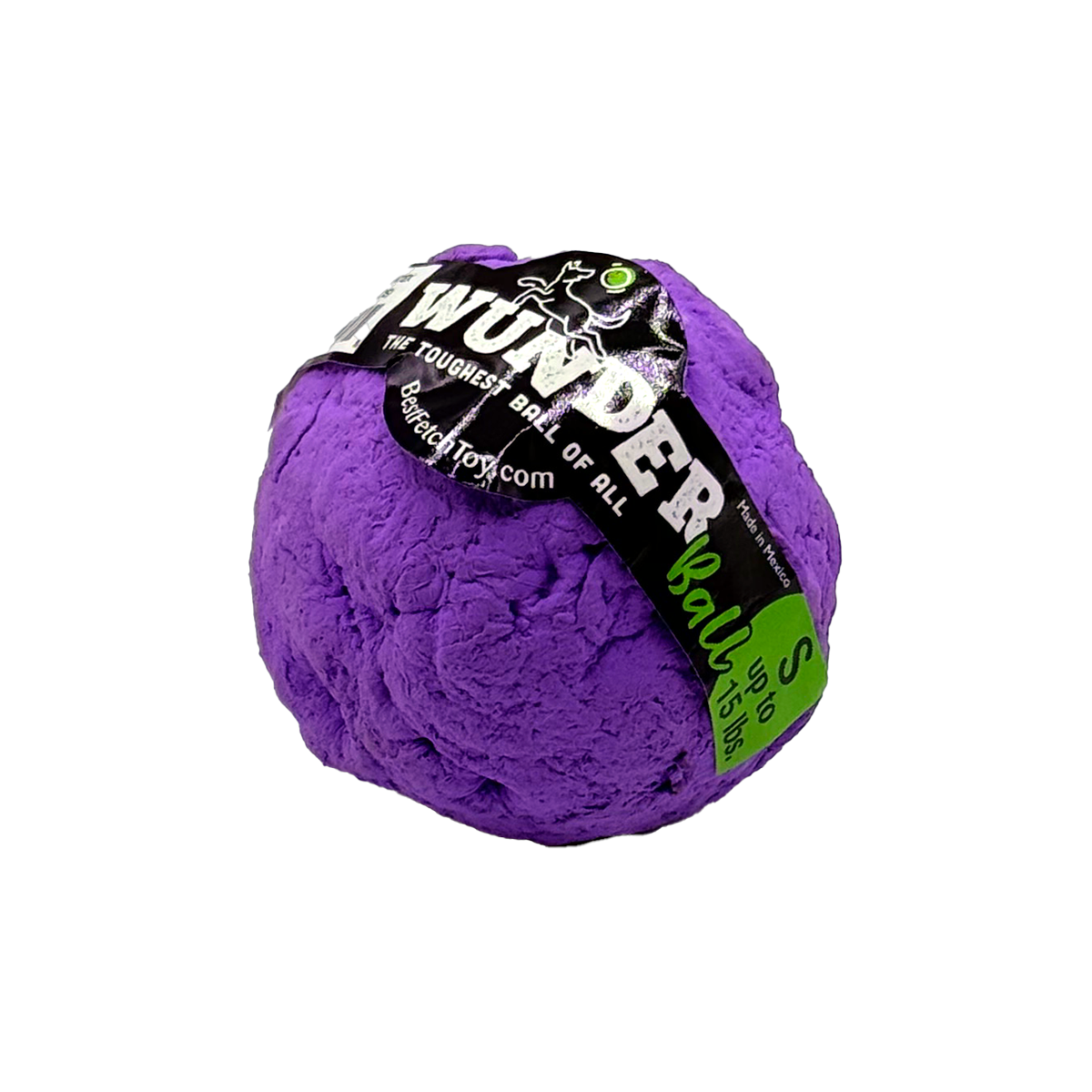
Natural rubber stands out as one of the most promising alternatives to synthetic plastics. Unlike petroleum-based materials, natural rubber comes from renewable tree sources and biodegrades over time. Wacky Walk'r has embraced this approach with products like the WUNDERball, which is handcrafted from natural rubber containing recycled content. These toys prove that eco-friendly materials can withstand aggressive chewing while eventually returning to the earth.
Post-Consumer Recycled Plastics and Ocean-Bound Waste
Some innovative brands are turning existing plastic waste into new dog toys. Ocean-bound plastics, collected before they reach waterways, get transformed into durable play items. Post-consumer recycled materials give new life to bottles and packaging that would otherwise pollute ecosystems. While these toys still contain plastic, they prevent additional virgin plastic production and divert waste from landfills.
Hemp, Organic Cotton, and Biodegradable Fibers
Soft toys don't have to mean synthetic stuffing. Hemp rope toys, organic cotton plushies, and toys filled with natural materials offer gentler alternatives. These products biodegrade naturally when their play life ends. They're particularly appealing for light chewers or as comfort toys that won't last forever anyway.
Circular Economy Models in the Pet Toy Market
Beyond better materials, some companies are rethinking the entire lifecycle of pet products.
Take-Back Programs and Closed-Loop Manufacturing
Certain brands now accept worn-out toys for recycling or refurbishment. These take-back programs ensure materials stay in use rather than heading to landfills. Closed-loop manufacturing means old products become raw materials for new ones. This approach requires more infrastructure but dramatically reduces waste.
Upcycling Scraps into New Playthings
Manufacturing always produces some waste, but creative companies find ways to use every scrap. The WUNDERball from Wacky Walk'r exemplifies this philosophy, using reclaimed and repurposed natural rubber materials that would otherwise be discarded. Upcycled products often carry a unique character since no two pieces of scrap material are identical. This resourcefulness turns potential waste into premium products.
How Sustainable Brands Influence Consumer Behavior
The shift toward eco-friendly pet products isn't just about materials: it's changing how pet parents think about purchases altogether.
Transparency in Supply Chains and Ethical Sourcing
Sustainable brands tend to be open about where their materials come from and how products are made. This transparency builds trust and educates consumers about what goes into pet products. When you know a toy is handcrafted in North America using recycled materials, you understand exactly what you're supporting. That knowledge empowers better purchasing decisions.
Educating Pet Parents on 'Quality Over Quantity'
The most impactful change might be shifting away from disposable thinking entirely. Investing in one durable, well-made toy beats buying ten cheap ones that end up in the trash. Wacky Walk'r emphasizes this philosophy, creating products built to last through countless play sessions. When pet parents embrace quality over quantity, they naturally reduce their environmental footprint.
The Future of Zero-Waste Play
The path toward truly sustainable dog toys is becoming clearer every year. Material science continues advancing, offering new biodegradable options that don't sacrifice durability. Consumer demand for eco-friendly products keeps growing, pushing more brands to reconsider their manufacturing choices. Regulatory pressure on single-use plastics may eventually extend to pet products, accelerating the industry's transformation.
You can be part of this change right now. Start by examining the toys already in your dog's collection and noting which materials they contain. When it's time to replace worn items, seek out brands committed to sustainability and durability. Look for natural rubber, recycled materials, and companies willing to explain their supply chains. Your purchasing power sends a message about what kind of pet industry you want to support.
The bond between you and your dog doesn't require a trail of plastic waste. Every sustainable toy you choose keeps harmful materials out of landfills and supports companies doing things differently. Your pup will love their playtime just as much, probably more, since quality toys tend to be more engaging and longer-lasting. That's a win for your dog, your wallet, and the planet we all share.

Frequently Asked Questions
How long do plastic dog toys take to decompose in landfills?
Most plastic dog toys take hundreds of years to fully decompose. During this time, they break into smaller microplastic pieces that can contaminate soil and water. Synthetic rubber and polyester components may persist even longer under certain conditions.
Are natural rubber dog toys safe for aggressive chewers?
Yes, high-quality natural rubber toys are often more durable than their synthetic counterparts. Products like the WUNDERball are specifically designed for heavy chewers and marketed as extremely durable. Always choose the appropriate size for your dog to ensure safe play.
Can I recycle my dog's old toys?
Unfortunately, most recycling facilities cannot process pet toys because they are made of mixed materials. Your best options are choosing toys made from single materials, supporting brands with take-back programs, or selecting biodegradable alternatives from the start.
What should I look for when buying eco-friendly dog toys?
Prioritize toys made from natural rubber, recycled materials, or biodegradable fibers like hemp and organic cotton. Check whether the brand discloses its manufacturing location and material sources. Look for certifications or guarantees that back up sustainability claims.
Do sustainable dog toys cost more than regular ones?
Initial prices may be higher, but durable, eco-friendly toys often provide better value over time. One well-made natural rubber ball that lasts months costs less than repeatedly replacing cheap plastic toys. Think of it as an investment in quality and environmental responsibility.
Sustainable Play Starts with Smarter Choices
Dog toy waste is a real environmental issue, but pet parents have more power than they think. By choosing durable, responsibly made products, like the WUNDERball from WACKYwalk’r, you help reduce landfill waste and support smarter manufacturing practices. One high-quality toy that lasts is far better than a pile of disposable plastics. Sustainable play isn’t a compromise; it’s a better way forward for your dog and the planet.