Dog Treats with No Artificial Ingredients: Clean Snacking for Pets
The Rise of Clean Label Pet Nutrition
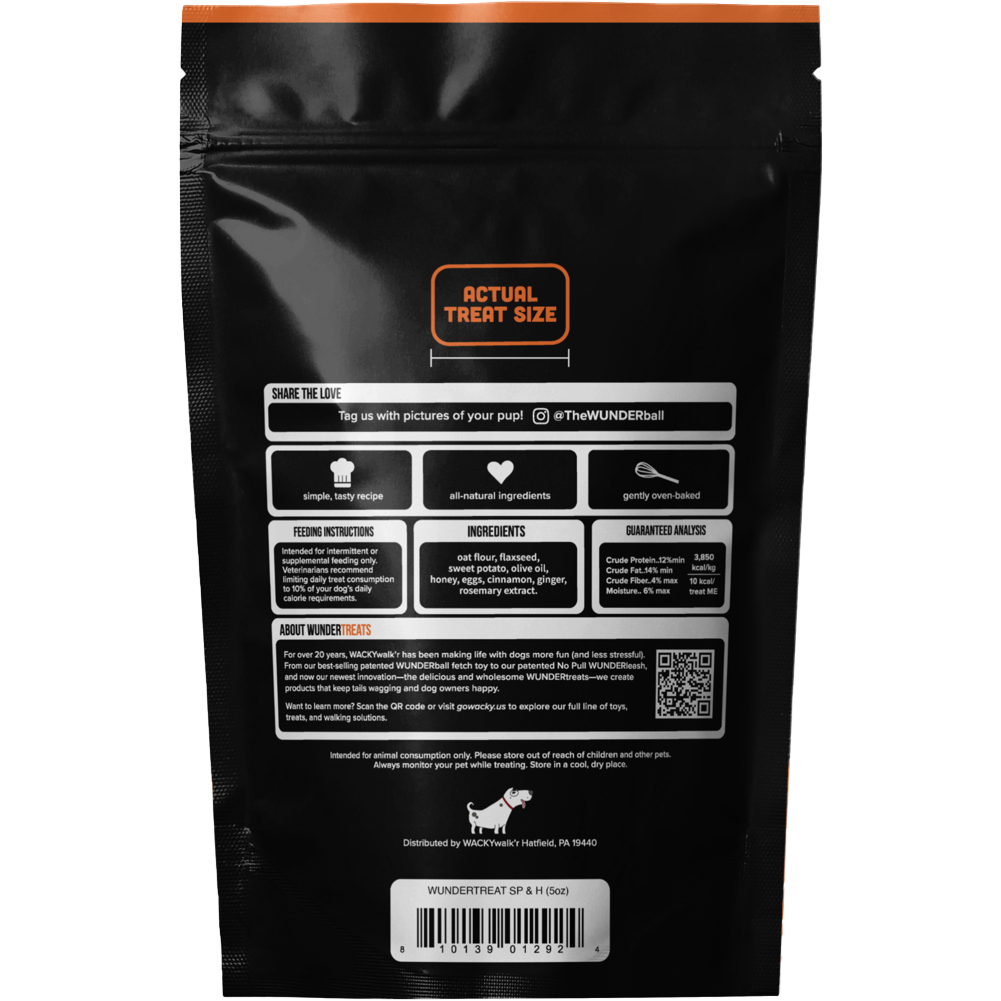
Your dog deserves treats that nourish rather than harm, and you're not alone in thinking so. Millions of pet parents are questioning what actually goes into those colorful biscuits and chewy snacks lining store shelves. The movement toward dog treats with no artificial ingredients represents more than a trend; it reflects a meaningful shift in how we care for our four-legged family members. The WUNDERtreats from WACKYwalk’r are part of that shift, focusing on thoughtfully selected ingredients and formulations pet parents can feel good about.
Clean snacking for pets mirrors the whole-foods revolution in human nutrition. Pet owners want transparency, simple ingredient lists, and products that support their dog's health rather than compromise it. The good news? Finding natural alternatives has never been easier, and choosing options like WUNDERtreats makes it simple to upgrade treat time without overhauling your entire routine.
Defining No Artificial Ingredient Standards
A truly clean treat contains ingredients you can recognize and pronounce. This means no synthetic preservatives, artificial colors, chemical flavor enhancers, or lab-created texturizers. The ingredient list reads like a grocery list: real meat, vegetables, fruits, and natural preservatives like vitamin E.
Why Pet Parents are Shifting to Natural Alternatives
Veterinary visits for allergies, digestive issues, and unexplained sensitivities have prompted many owners to examine their dog's diet more closely. When artificial additives disappear from the bowl, symptoms often improve. Pet parents also want products aligned with their own values, including sustainability and ethical sourcing. Wacky Walk'r understands this philosophy, creating products that prioritize natural materials and genuine quality over shortcuts.

Identifying Hidden Additives in Traditional Dog Treats
That ingredient panel on your dog's treat bag can feel like reading a chemistry textbook. Understanding the meanings of unfamiliar terms helps you make confident purchasing decisions.
Common Synthetic Preservatives and Their Risks
BHA, BHT, and ethoxyquin are commonly used in conventional pet treats to extend shelf life. While regulatory agencies consider these compounds safe in small amounts, ongoing research raises questions about long-term exposure. Even though Ethoxyquin is commonly used in conventional pet treats to extend shelf life, it is currently restricted in some pet foods and must meet updated FDA and AAFCO labeling requirements. Natural alternatives like mixed tocopherols (vitamin E) accomplish the same preservation goal without the controversy.
Artificial Colors and Flavors vs. Whole Food Sources
Dogs don't care whether their treat is bright red or neon yellow. Those vibrant colors exist purely for human appeal. Artificial dyes like Red 40 and Yellow 5 offer zero nutritional benefit and may trigger sensitivities in some dogs. Natural treats derive their color from actual ingredients: orange from sweet potato, green from spinach, brown from real meat.
Artificial flavors mask the taste of low-quality base ingredients. When a treat contains genuine chicken, beef, or salmon, synthetic flavor enhancers become unnecessary.
Understanding Chemical Humectants and Texturizers
Propylene glycol keeps treats soft and chewy, but has drawn scrutiny from pet health advocates. While propylene glycol is approved by the U.S. FDA for use in dog food (but banned in cat food due to toxicity), it should only be used within established safety limits. Carrageenan, a thickening agent, may contribute to digestive inflammation in sensitive animals. Clean treats achieve appealing textures through natural methods: dehydration, gentle baking, or moisture from real fruit purees.
Health Benefits of Additive-Free Snacking
Switching to natural treats isn't just about avoiding negatives. Real, whole-food snacks offer positive benefits that support your dog's overall wellness.
Improved Digestive Health and Nutrient Absorption
Your dog's digestive system evolved to process real food, not synthetic compounds. Natural treats move through the gut more efficiently, causing less irritation and better nutrient uptake. Many pet parents report firmer stools and reduced gas after eliminating artificial ingredients from their dog's diet.
Reducing Allergy Triggers and Skin Sensitivities
Chronic itching, hot spots, and ear infections often stem from dietary triggers. Artificial additives rank among the most common culprits. However, according to the American College of Veterinary Dermatology guidelines, most food-related allergies in dogs are caused by proteins such as beef, chicken, dairy, or wheat rather than artificial additives. Dogs with food sensitivities frequently show improvement within weeks of switching to clean, limited-ingredient treats. The simpler the ingredient list, the easier it becomes to identify and eliminate problem foods.
Weight Management and Metabolic Wellness
Natural treats typically contain more protein and fewer empty carbohydrates than their conventional counterparts. This nutrient density means your dog feels satisfied with smaller portions. Real ingredients also support healthy metabolic function, helping maintain appropriate weight without sacrificing treat time.
Top Natural Ingredients to Look For
Knowing what to avoid matters, but understanding what to seek out makes shopping easier and more enjoyable.
Single-Ingredient Proteins and Dehydrated Meats
The simplest treats contain just one thing: meat. Dehydrated chicken breast, freeze-dried beef liver, or dried salmon skin provide pure protein without fillers. These treats satisfy your dog's carnivorous instincts while delivering essential amino acids. Single-ingredient options also make excellent choices for dogs with multiple food sensitivities.
Superfood Incorporations: Blueberries, Pumpkin, and Kale
Fruits and vegetables add nutritional variety to your dog's snacking routine. Blueberries deliver antioxidants that support cognitive health. Pumpkin provides fiber for digestive regularity. Kale offers vitamins A, C, and K. Look for treats that incorporate these whole foods rather than isolated extracts.
Natural Preservatives: Vitamin E and Rosemary Extract
Clean treats stay fresh through nature's own preservation methods. Mixed tocopherols (vitamin E) prevent fats from going rancid. Rosemary extract offers antimicrobial properties that extend shelf life safely. These natural options work effectively while adding nutritional value rather than chemical burden.
Making Informed Choices for Your Dog
Armed with knowledge, you can confidently select treats that align with your commitment to your dog's health.
How to Decode Pet Food Ingredient Labels
Ingredients appear in order of weight, so the first few items tell you what the treat primarily contains. Quality treats list a specific protein source first: "chicken" rather than "poultry by-products." Short ingredient lists generally indicate cleaner products. If you can't pronounce it or don't recognize it, research before purchasing.
DIY Clean Treats: Simple Recipes for Home Kitchens
Making treats at home gives you complete control over ingredients. Slice sweet potatoes thin and bake at a low temperature for chewy chips. Blend banana with peanut butter (xylitol-free!) and freeze in molds. Dehydrate chicken breast strips for high-value training rewards. Homemade treats share the same philosophy as Wacky Walk'r's WUNDERtreats: genuine quality without unnecessary additives.
Transitioning Your Pet to a Clean Snacking Routine
Start gradually by replacing one conventional treat with a natural alternative. Watch for any digestive adjustment during the first week. Most dogs transition smoothly, though some sensitive pups benefit from a slower changeover. Store natural treats properly, as they lack the synthetic preservatives that extend shelf life indefinitely.

Frequently Asked Questions
Are natural dog treats more expensive than conventional options?
Natural treats often cost slightly more per package, but the higher nutrient density means you can feed smaller portions. Many pet parents find the investment worthwhile when considering potential savings on veterinary bills for allergy treatments and digestive issues.
How long do treats without artificial preservatives last?
Most natural treats remain fresh for three to six months when stored properly in cool, dry conditions. Freeze-dried and dehydrated options often last longer. Always check the expiration date and seal packages tightly after opening.
Can puppies eat treats with no artificial ingredients?
Absolutely! Puppies benefit tremendously from clean nutrition during their developmental stages. Choose softer textures appropriate for young teeth and introduce new ingredients one at a time to monitor for sensitivities.
What if my dog won't eat natural treats?
Dogs accustomed to heavily flavored conventional treats may need time to adjust. Try high-value proteins like freeze-dried liver or salmon. Warm treats slightly to release natural aromas. Most dogs develop enthusiasm for real-food flavors within a few weeks.
Nourishing Your Best Friend the Right Way
Choosing dog treats with no artificial ingredients reflects the same care you show in every aspect of your pet's life. From selecting quality walking gear at Wacky Walk'r to reading every ingredient label, these decisions add up to a healthier, happier companion. Your dog trusts you completely, and that trust deserves treats made from real, recognizable, nourishing ingredients. Start with one small change today, and watch the positive effects ripple through your dog's energy, coat, digestion, and overall vitality.