Natural-Rubber Dog Fetch Toy Benefits: Why It’s Better Than Plastic
The Evolution of Fetch: Moving Beyond Synthetic Plastics
Your dog deserves better than a toy that cracks, splinters, or leaches chemicals into their mouth. If you've ever watched your pup destroy a plastic ball within minutes, or worried about what they're actually chewing on, you're not alone. Thousands of pet parents are making the switch to natural rubber alternatives, and the reasons go far beyond simple durability.
The benefits of natural rubber dog fetch toys compared to plastic ones are substantial. These toys offer superior safety, longer-lasting performance, and a gentler environmental footprint. Natural rubber comes from the sap of Hevea brasiliensis trees, making it a renewable resource that breaks down naturally over time. Plastic toys, by contrast, can take hundreds of years to decompose while shedding microplastics into soil and water.
Why Pet Parents Are Rethinking Plastic
The shift away from synthetic materials isn't just trendy; it's practical. Pet owners are discovering that:
- Natural rubber withstands aggressive chewing without cracking
- Rubber toys float, bounce unpredictably, and clean teeth during play
- Using non-toxic materials reduces the risk of harmful chemical exposure
- Eco-friendly options align with sustainable lifestyle choices
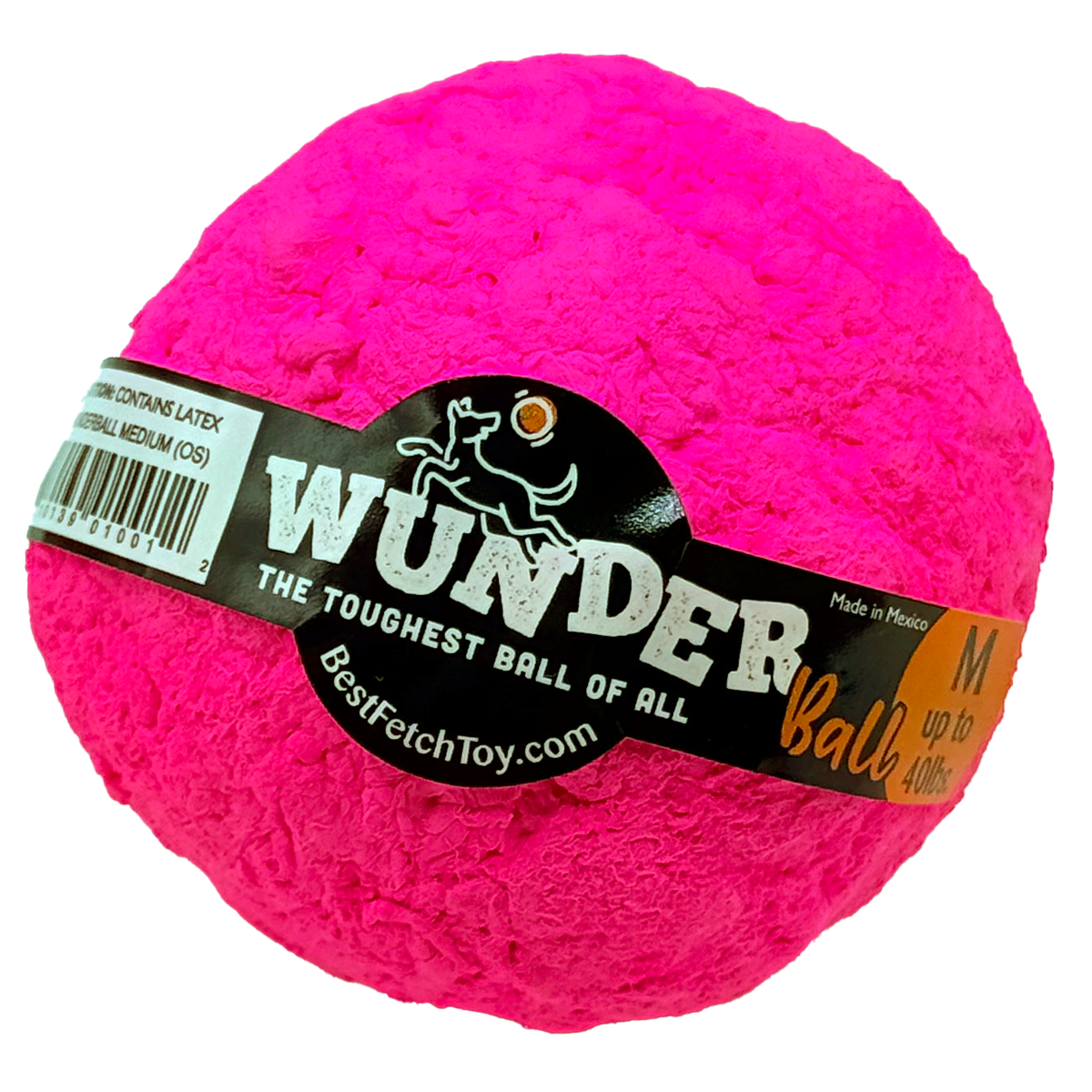
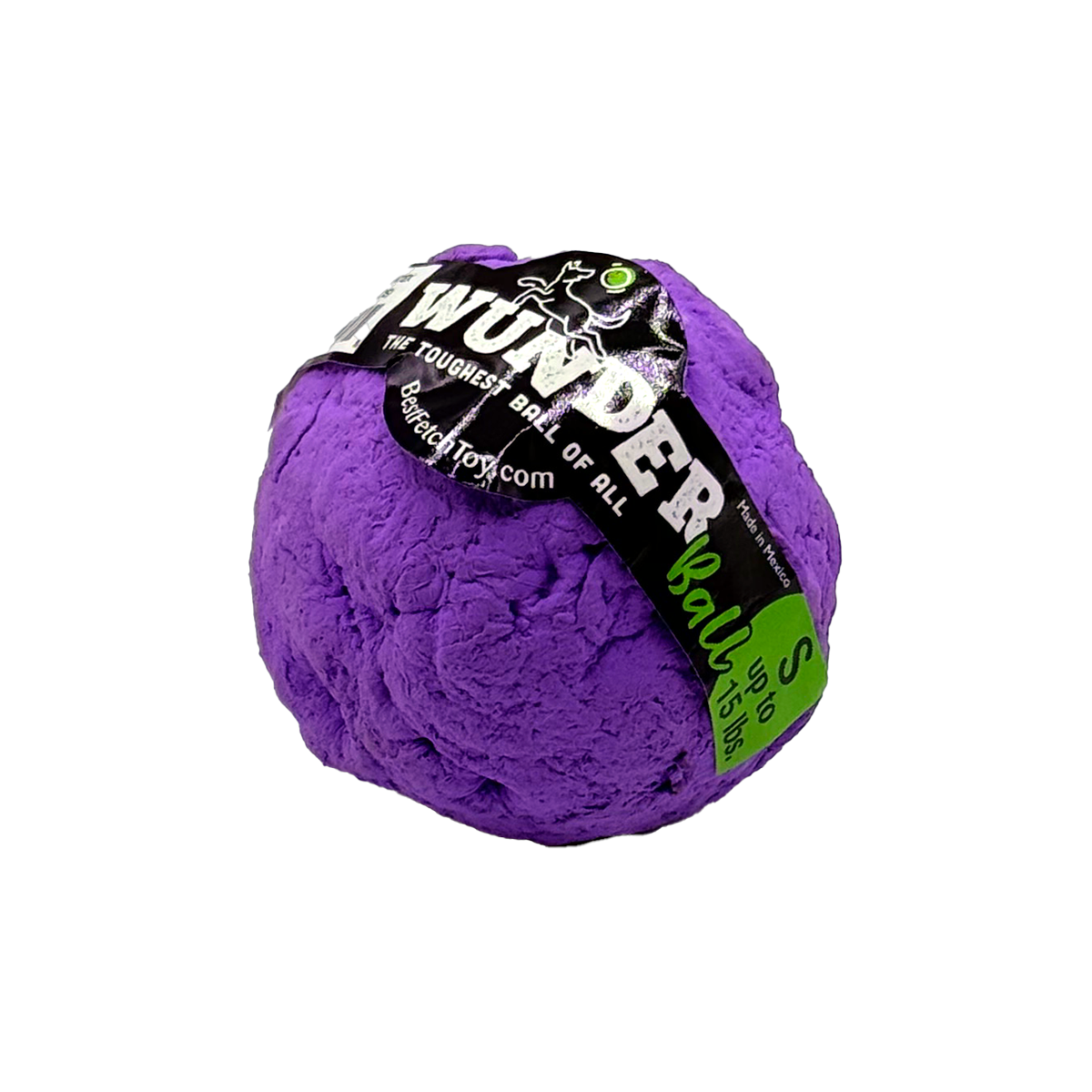
WUNDERball from WACKYwalk'r exemplifies this movement, offering 100% natural, recycled-rubber construction handcrafted in North America.
Superior Durability and Puncture Resistance
Plastic toys often fail dramatically. They crack under pressure, leaving sharp edges that can injure your dog's mouth or pose a choking hazard. Natural rubber behaves differently, flexing and compressing rather than shattering.
Why Natural Rubber Outlasts Brittle Plastic
The molecular structure of natural rubber gives it exceptional elasticity. When your dog bites down hard, the rubber absorbs the force and returns to its original shape. Plastic, especially cheaper varieties, becomes brittle over time and eventually fractures.
Key durability advantages include:
- Resistance to temperature extremes, from hot summer days to cold winter mornings
- Elastic properties that help prevent small punctures from immediately turning into larger tears
- Consistent performance that doesn't degrade with UV exposure
- A longer lifespan that saves money over time
Safety Benefits for Aggressive Chewers
Dogs with powerful jaws need toys designed for their intensity. The WUNDERball is marketed as chew-resistant because natural rubber can withstand heavy chewing better than many plastic alternatives without breaking into dangerous pieces.
When plastic toys fail, they create:
- Sharp fragments that can cut gums and tongues
- Small pieces that pose choking risks
- Indigestible shards that may cause intestinal blockages
Natural rubber, even when eventually worn down, tends to crumble into softer pieces rather than splintering into dangerous shards.

Health and Safety: Non-Toxic Material Comparison
What goes into your dog's mouth matters enormously. Dogs don't just fetch toys; they chew, lick, and carry them for extended periods. The materials in those toys can directly impact your pet's health.
Avoiding BPA, Phthalates, and Lead in Dog Toys
Many plastic dog toys contain concerning chemicals. BPA (bisphenol A) is an endocrine disruptor linked to hormonal imbalances. Phthalates, used to make plastic flexible, have been associated with liver and kidney damage. Some imported plastic toys have even tested positive for lead.
Natural rubber toys significantly reduce these concerns. High-quality products made from pure or minimally processed rubber typically avoid synthetic plasticizers and petroleum-based chemicals, though some may include vulcanization agents or colorants. Pure rubber contains:
- No synthetic plasticizers or softening agents
- No petroleum-based chemicals
- No heavy metals or toxic dyes
- Only naturally occurring compounds from tree sap
Gentle on Gums and Dental Health
The texture of natural rubber provides unexpected dental benefits. The textured surface of quality rubber toys may help reduce soft plaque buildup during chewing, though they should not replace professional dental care or regular brushing.
The WUNDERball feature textured surfaces specifically designed to clean teeth naturally. This passive dental care occurs whenever your dog plays, supporting oral health between professional cleanings.
Rubber's gentle flexibility also protects gums from the hard impacts that rigid plastic toys can cause during enthusiastic fetching sessions.
Performance and Playability Features
Beyond safety and durability, natural rubber toys simply perform better during play. The material properties create a more engaging, stimulating experience for your dog.
The Erratic Bounce Factor for Mental Stimulation
Perfectly round plastic balls bounce predictably. Your dog quickly learns their trajectory, and the game becomes routine. Natural rubber toys, especially handcrafted ones that aren't perfectly spherical, bounce unpredictably.
This erratic movement:
- Keeps dogs mentally engaged and alert
- Mimics the unpredictable movement of prey animals
- Prevents boredom during solo play
- Provides additional exercise as dogs change direction
The WUNDERball's irregular bounce is intentional, designed to increase mental stimulation during every fetch session.
Texture and Grip for Easier Retrieval
Natural rubber's inherent tackiness makes toys easier for dogs to pick up and carry. Smooth plastic balls can be frustrating, especially for dogs with shorter snouts or smaller mouths.
The texture advantages extend to water play as well. Many natural rubber toys are designed to float, often due to internal air pockets or specific construction, making them suitable for water play. Wet plastic becomes slippery and difficult to grip, but rubber maintains its tactile properties even when soaked.
Environmental Impact and Sustainability
Choosing natural rubber isn't just good for your dog; it's better for the planet. The environmental differences between rubber and plastic are significant and lasting.
Biodegradability vs. Microplastic Pollution
Plastic pollution is a growing crisis. Every plastic toy that ends up in a landfill or waterway persists for centuries, slowly breaking down into microplastics that contaminate ecosystems and enter food chains.
Natural rubber is more biodegradable than most plastics. Its environmental impact is generally lower than that of plastic, though degradation is slow and may depend on additives used in manufacturing. This process takes years rather than centuries, and it doesn't leave toxic residues behind.
Consider these environmental impacts:
- Plastic toys contribute to the 8 million tons of plastic entering oceans annually
- Microplastics from degrading toys can be ingested by wildlife
- Natural rubber returns to the earth without lasting environmental harm
Ethical Sourcing from Hevea Brasiliensis Trees
Responsible natural rubber production supports sustainable forestry practices. Hevea brasiliensis trees are tapped for their sap without being cut down, allowing the same trees to produce rubber for decades.
WACKYwalk'r uses recycled rubber scraps in its production. This approach reduces waste and minimizes the demand for new raw materials while maintaining product quality.
Choosing the Right Natural Rubber Toy for Your Dog
Not all natural rubber toys are created equal. When shopping for your pup, consider these factors:
- Size appropriateness for your dog's breed and jaw strength
- Certification of non-toxic materials and manufacturing processes
- Country of origin and manufacturing standards
- Company reputation and return policies
The WUNDERball offers a 30-day "fetch-test" guarantee, allowing returns if your dog doesn't enjoy the toy. This confidence in product quality reflects the difference between premium natural rubber toys and mass-produced plastic alternatives.
Making the Switch to Safer, Better Play
The choice between natural rubber and plastic dog toys comes down to priorities. If you value your dog's safety, want toys that last, and care about environmental impact, natural rubber wins on every count.
Your dog doesn't know the difference between sustainable and synthetic. They just want to play, chase, and chew. But you can make choices that protect their health while giving them exactly what they love. Quality natural rubber toys deliver the durability aggressive chewers demand, the safety anxious pet parents need, and the playability that keeps dogs engaged.
Ready to upgrade your dog's fetch game? Explore the WUNDERball collection and discover why thousands of pet parents have made the switch to natural rubber.

Frequently Asked Questions
How long do natural rubber dog toys typically last?
With proper care, quality natural rubber toys can last months to years, even with aggressive chewers. The exact lifespan depends on your dog's chewing intensity and play frequency.
Are natural rubber toys safe for puppies?
Yes, natural rubber is generally safe for puppies. Choose size-appropriate toys and supervise play sessions until you understand your puppy's chewing habits.
Can natural rubber toys be cleaned?
Absolutely. Most natural rubber toys can be washed with mild soap and warm water. Some are even dishwasher safe on the top rack.
Do natural rubber toys have a smell?
New natural rubber toys may have a mild, earthy scent that dissipates within a few days of use. This is normal and indicates genuine rubber content.
Are all rubber dog toys actually natural rubber?
No. Many "rubber" toys are actually synthetic rubber or rubber-plastic blends. Check product descriptions carefully and look for "100% natural rubber" certification.