Natural Rubber vs. Plastic Dog Toys: Which Is Healthier?
Your dog's favorite chew toy might be doing more harm than good. That tennis ball your pup loves? It may contain dyes or adhesives not intended for animal use, so it’s best to choose ones specifically labeled as pet-safe to minimize potential exposure. When comparing natural rubber fetch toys to plastic dog toys, the health implications extend far beyond simple durability concerns. You want the healthiest option for your pup, and understanding what goes into these products matters more than flashy packaging or clever marketing.
The good news is that making an informed choice doesn't require a chemistry degree. Once you understand the key differences between natural rubber and plastic toys, picking the right one becomes straightforward. Dogs explore the world with their mouths, which means toy materials come into direct contact with their gums, teeth, and digestive systems daily. This constant exposure makes material safety a genuine health consideration, not just a preference. Let's break down exactly what you need to know to protect your four-legged family member.
The Safety Profile of Natural Rubber Dog Toys
Natural rubber offers distinct advantages that synthetic materials simply cannot match. Understanding these benefits helps explain why veterinarians often recommend rubber toys for dogs of all ages and chew styles.
Non-Toxic Properties and Chemical Purity
Natural rubber originates from tree sap and generally contains fewer synthetic additives than many plastics. This means:
- No artificial plasticizers to soften the material
- Zero synthetic dyes that could cause allergic reactions
- Absence of chemical stabilizers that accumulate in body tissues
- Can resist bacterial buildup better than porous materials, though it does not have proven inherent antimicrobial properties unless treated with antimicrobial agents.
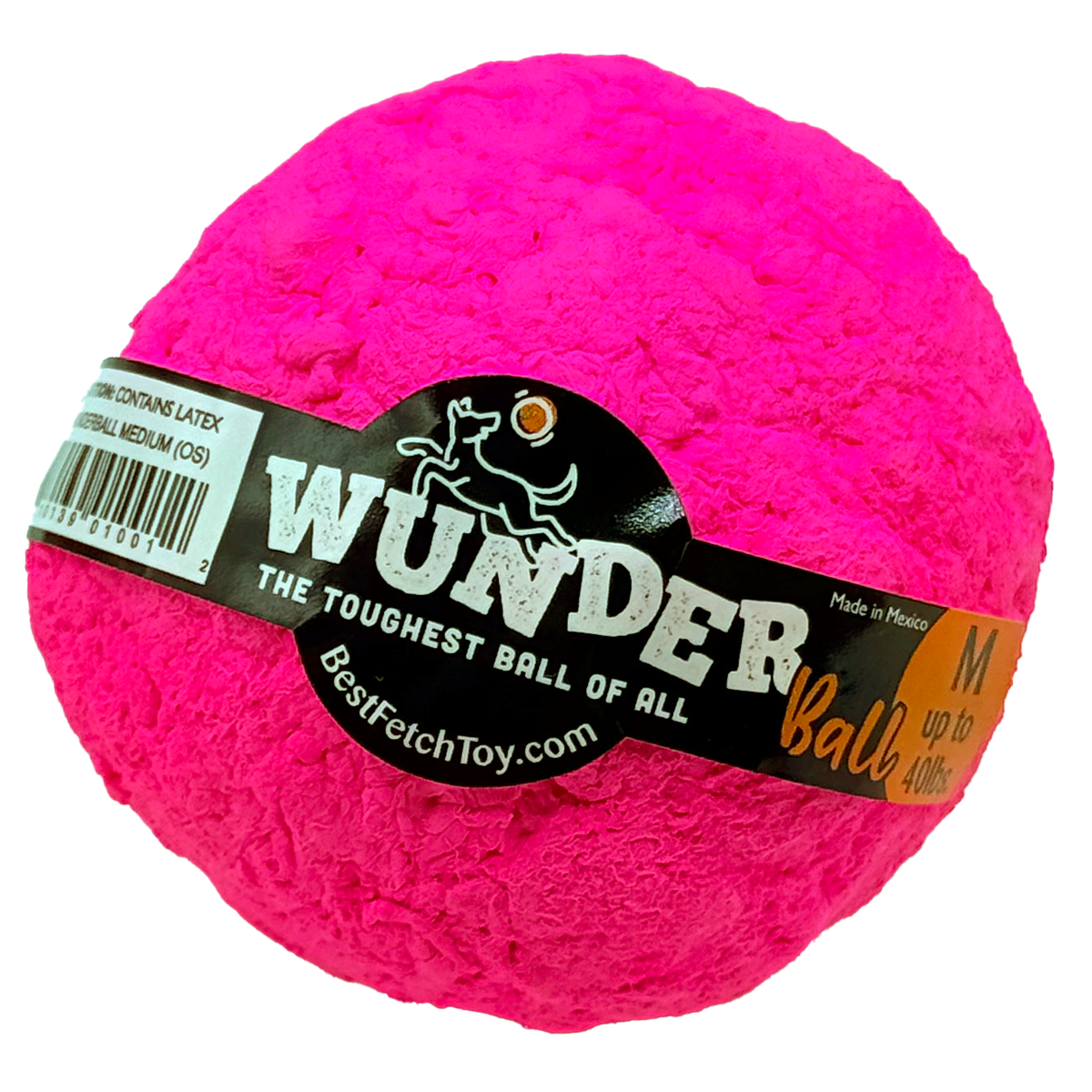
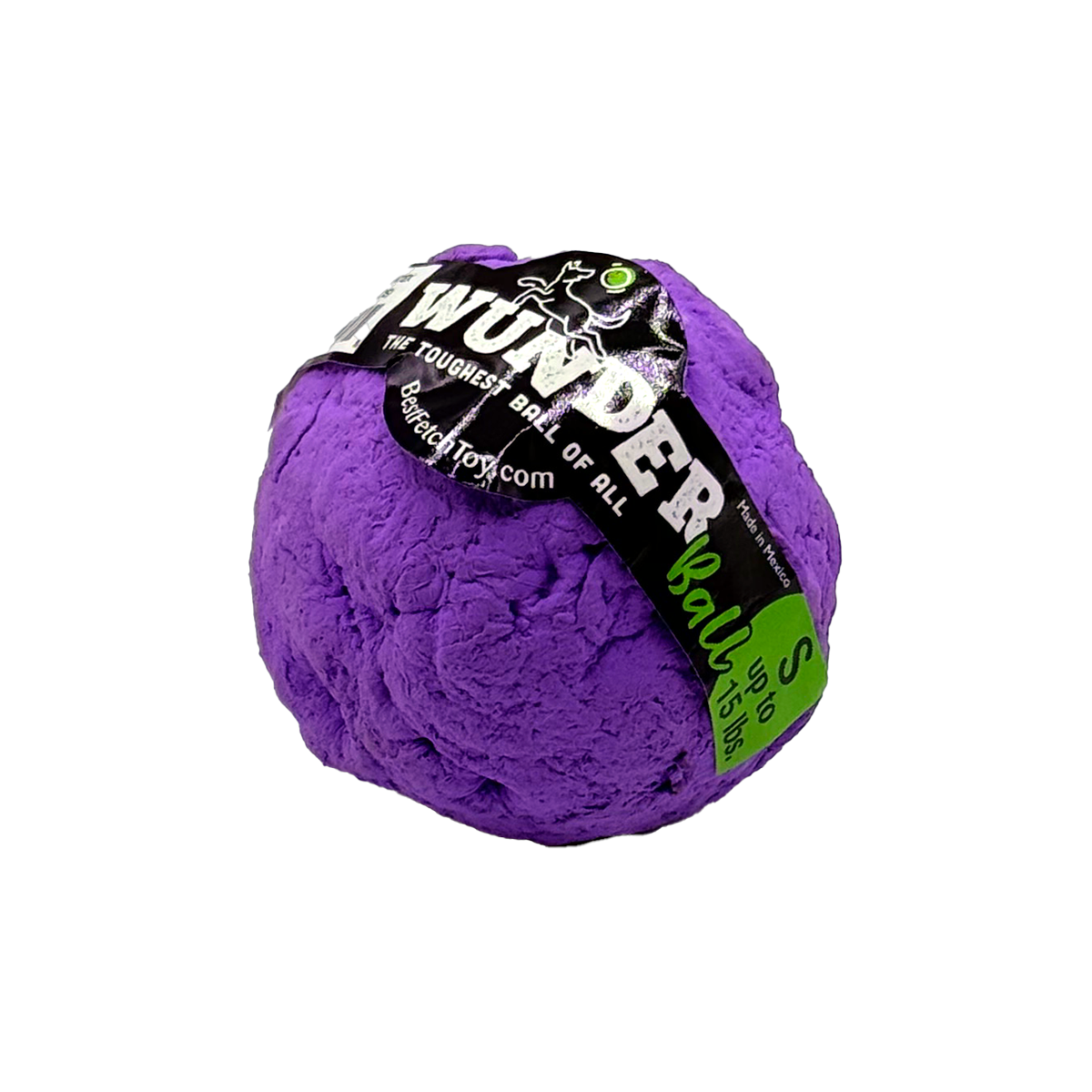
The WUNDERball from WACKYwalk'r takes this a step further by using 100% natural rubber handcrafted in North America. This approach eliminates concerns about overseas manufacturing standards or unknown chemical additives.
Durability and Reduced Choking Hazards
Quality natural rubber maintains its integrity under pressure rather than shattering into dangerous fragments. The material flexes and compresses without breaking apart, dramatically reducing the risk of choking. When a dog chews aggressively on natural rubber, the surface may show wear marks, but it won't splinter into sharp pieces that could puncture the digestive tract or lodge in the throat.

Common Health Risks Associated with Plastic Toys
Plastic dog toys dominate pet store shelves because they're cheap to manufacture. However, these cost savings come with health trade-offs that every pet owner should understand before making a purchase.
BPA, Phthalates, and Endocrine Disruptors
Many plastic toys contain chemicals that interfere with your dog's hormonal system. These endocrine disruptors can cause:
- Reproductive abnormalities in both male and female dogs
- Thyroid dysfunction affecting metabolism and energy levels
- Increased cancer risk with prolonged exposure
- Behavioral changes linked to hormonal imbalances
Phthalates make plastics flexible, while BPA provides structural strength. Both leach out over time, especially when exposed to saliva, heat, or sunlight.
Microplastics and Long-term Ingestion Issues
Every time your dog chews a plastic toy, tiny particles break off and enter their digestive system. These microplastics accumulate in organs and tissues over years of exposure. Research increasingly links microplastic accumulation to inflammation, immune system disruption, and cellular damage. Unlike food particles, these plastic fragments never fully break down or leave the body.
Sharp Edges and Gum Trauma from Brittle Plastics
Plastic becomes brittle with age, temperature changes, and UV exposure. A toy that seemed safe when new can develop:
- Razor-sharp edges along crack lines
- Pointed fragments that embed in gum tissue
- Rough surfaces that abrade tooth enamel
These injuries often go unnoticed until infection develops or your dog refuses to eat due to mouth pain.
Dental Health and Texture Comparison
Your dog's dental health depends significantly on what they chew. The right texture can clean teeth naturally, while the wrong material accelerates dental problems.
Rubber's Role in Plaque Removal and Gum Massage
Natural rubber's slightly tacky surface grips plaque and tartar as your dog chews. The WUNDERball's textured rubber surface naturally helps clean dogs' teeth during play sessions. This mechanical cleaning action works similarly to how brushing removes buildup from human teeth. The gentle flexibility also massages gum tissue, promoting blood flow and healthy gum attachment to teeth.
Potential Tooth Wear from Hardened Synthetic Materials
Hard plastic toys can actually damage teeth rather than clean them. The rigid surface creates pressure points that:
- Wear down enamel faster than normal chewing
- Cause microfractures in the tooth structure
- Lead to painful tooth root exposure over time
Veterinary dentists frequently see fractured teeth in dogs who regularly chew on hard plastic or nylon toys.
Environmental Impact and Bioavailability
Choosing eco-friendly toys benefits both your dog and the planet. The environmental footprint of pet products adds up quickly when you consider how often toys need replacement.
Biodegradability vs. Permanent Waste
Even though the process may take years and can vary based on additives and disposal conditions, natural rubber is biodegradable under appropriate environmental conditions. Plastic toys, however, persist in landfills for centuries, slowly releasing chemicals into soil and groundwater. When you choose rubber toys, you're reducing:
- Landfill contribution from worn-out toys
- Microplastic pollution in waterways
- Demand for petroleum-based manufacturing
- Carbon footprint associated with synthetic production
Sustainable Sourcing of Hevea Brasiliensis
Hevea brasiliensis, the rubber tree, provides a renewable resource when harvested responsibly. Tapping trees for latex doesn't kill them, allowing decades of sustainable production. Companies committed to sustainability, like WACKYwalk'r, use reclaimed rubber scraps to create durable toys, reducing waste while maintaining quality. This approach transforms manufacturing byproducts into premium pet products.
Choosing the Best Material for Your Dog's Chew Style
Not every dog chews the same way. Matching toy materials to your dog's specific habits ensures both safety and satisfaction.
Identifying High-Quality Natural Rubber
Look for these indicators when shopping for rubber toys:
- Solid, uniform color without artificial brightness
- Slight natural rubber scent rather than chemical odor
- Flexibility that returns to its original shape after compression
- Manufacturing location clearly stated on packaging
- Certifications for non-toxic materials
The WUNDERball meets all these criteria while offering an unpredictable bounce that keeps dogs mentally engaged during play.
Red Flags to Watch for on Product Labels
Avoid toys with these warning signs:
- Vague terms like "rubber-like material" or "synthetic blend"
- No country of origin listed
- Strong chemical or plastic smell
- Unusually low prices compared to similar products
- Lack of safety testing certifications
When labels hide information, manufacturers typically have something to hide.

Making the Healthiest Choice for Your Pup
Available information suggests natural rubber can offer advantages in safety, durability, and environmental sustainability. Your dog deserves toys that enhance their health rather than compromise it. Quality natural rubber toys cost more upfront but last longer, protect your dog's health, and reduce environmental harm.
Start by replacing your dog's most frequently used toys with natural rubber alternatives. Watch for improvements in dental health and peace of mind knowing harmful chemicals aren't entering your dog's system daily. The WUNDERball's 30-day fetch-test guarantee makes trying a healthier option completely risk-free.
Frequently Asked Questions
How can I tell if my dog's current toys contain harmful chemicals?
Check for strong plastic odors, vague material descriptions, and manufacturing locations in countries with less stringent safety regulations. When in doubt, replace questionable toys with certified natural rubber alternatives.
Are natural rubber toys safe for puppies?
Yes, natural rubber is excellent for puppies because it's gentle on developing teeth and gums while being free from chemicals that could affect growth and development.
How long do natural rubber toys typically last?
Quality natural rubber toys often outlast plastic alternatives by months or years, depending on your dog's chew intensity. The durability makes them more economical despite higher initial costs.
Can dogs with allergies use natural rubber toys?
Most dogs tolerate natural rubber well since it lacks synthetic additives that commonly trigger reactions. However, rare latex sensitivities exist, so monitor your dog initially.