The Dog Toy That Lasts Forever (Almost): Tough Options That End Waste
Every dog owner knows the frustration: you buy a new toy, your pup destroys it within hours, and the shredded remains end up in the trash. This cycle repeats endlessly, draining your wallet and filling landfills with non-biodegradable waste. Finding a dog toy that lasts forever might sound impossible, but there are tough options that dramatically reduce waste while keeping your furry friend entertained. The secret lies in understanding which materials truly withstand aggressive chewing, which toy designs hold up to relentless play, and how proper care extends a toy's lifespan. Whether your dog is a gentle nibbler or a power shredder, choosing durable toys means fewer replacements, less environmental impact, and more money in your pocket. You deserve better than constantly sweeping up stuffing and foam bits, and your dog deserves toys that actually survive playtime.
The Environmental and Financial Cost of Disposable Dog Toys
Landfill Impact of Non-Recyclable Plastics
Most cheap dog toys contain mixed materials that recycling facilities cannot process. Synthetic fabrics, plastic squeakers, and chemical-laden stuffing create a toxic cocktail that sits in landfills for centuries. The pet industry produces millions of disposable toys annually, with the vast majority ending up as permanent waste. Even toys marketed as "recyclable" often contain components that contaminate recycling streams.
The Cycle of Constant Replacement Costs
That $5 toy seems affordable until you're buying three per week. Heavy chewers can easily cost their owners hundreds of dollars annually in destroyed toys. This constant replacement cycle benefits manufacturers but punishes pet parents financially while generating enormous waste. Investing in quality, durable alternatives breaks this expensive pattern.

Materials That Withstand Heavy Chewers
Natural Rubber vs. Synthetic TPE
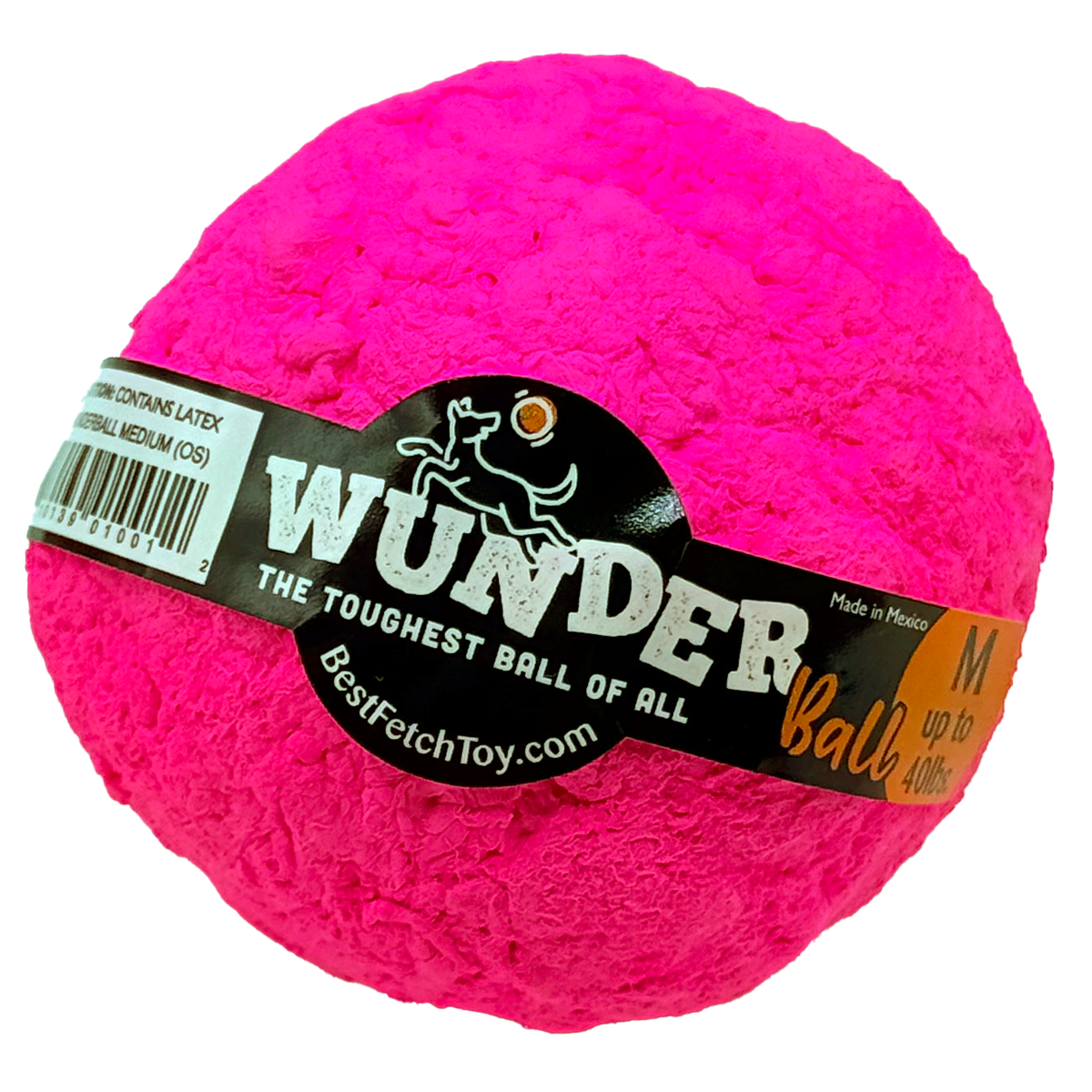
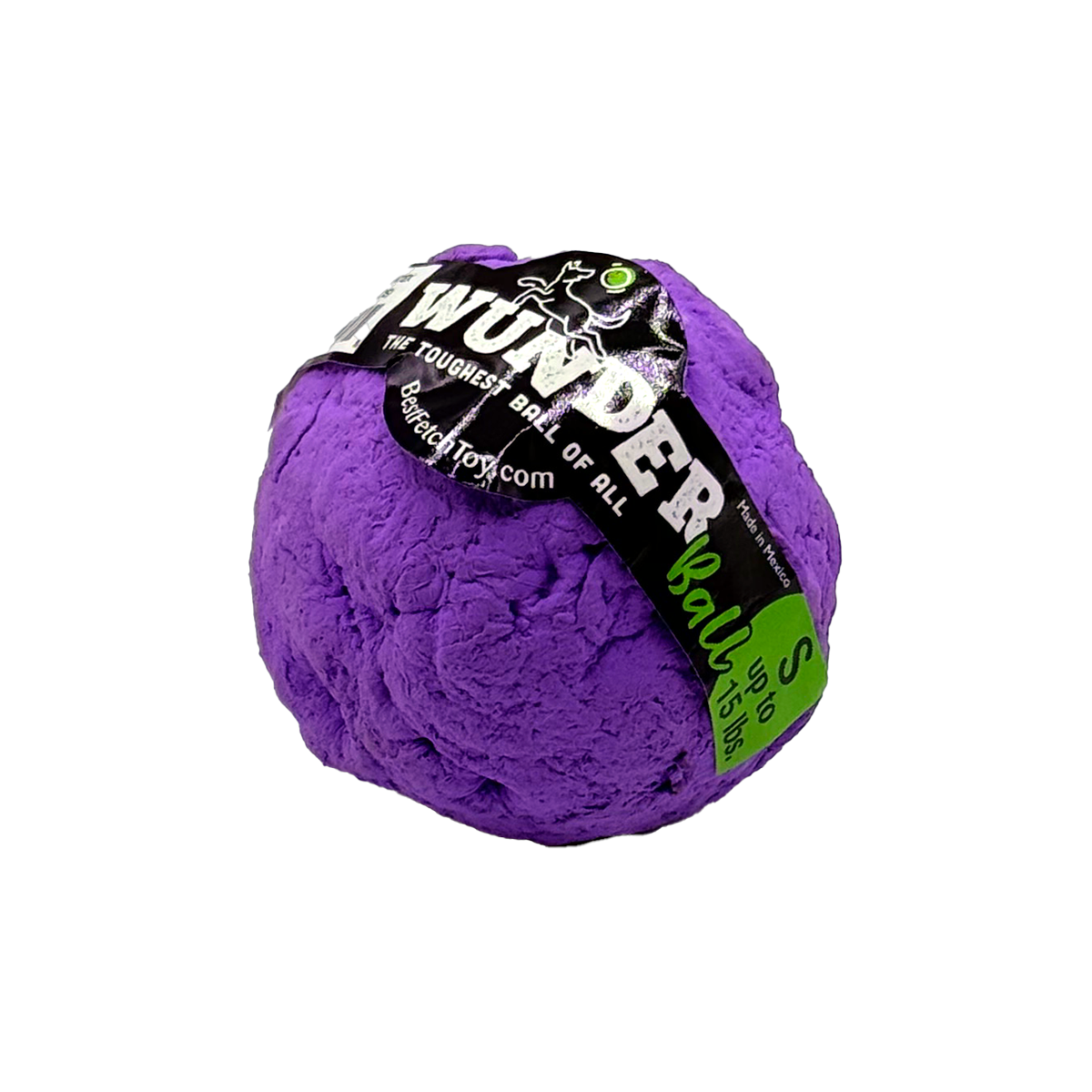
Natural rubber offers exceptional durability while remaining safe for dogs. Unlike synthetic thermoplastic elastomers that can break into sharp pieces, natural rubber tears gradually. The WUNDERball from Wacky Walk'r uses recycled natural rubber, handcrafted in North America from reclaimed rubber scraps. This approach creates incredibly durable toys while keeping materials out of landfills.
The Strength of Ballistic Nylon and Reinforced Stitching
Ballistic nylon was originally designed for military flak jackets, making it ideal for aggressive chewers. Look for toys featuring multiple layers of this fabric with reinforced, double-stitched seams. The thread itself matters too: nylon or polyester threads resist fraying far better than cotton. Quality construction means seams hold even under sustained pulling and tugging.
Safety First: Avoiding Toxic Fillers and Phthalates
Many inexpensive toys contain phthalates, lead, and other harmful chemicals that leach out during chewing. Always check for toys made with food-grade or vet-recommended materials. Toys made from zero plastic, like natural rubber options, reduce concerns about chemical additives but do not entirely eliminate potential risks, as even natural rubber can cause allergic reactions in rare cases. Your dog's safety should never be compromised for a lower price point.
Top-Rated Indestructible Toy Categories
Hardened Rubber Treat Dispensers
Treat-dispensing toys serve double duty: they entertain while encouraging slower eating and mental stimulation. Look for solid rubber construction with no removable parts. The best designs feature thick walls that resist puncturing and small openings that challenge dogs without frustrating them. These toys often last for years with proper care.
Solid Core Fetch and Bounce Balls
Hollow balls collapse under pressure from powerful jaws, but solid-core designs withstand tremendous force. The WUNDERball features an irregular shape that creates unpredictable bounces, increasing mental stimulation during play. Its textured surface naturally cleans teeth while chewing, and it floats for water play. Handmade natural rubber construction means it holds up to aggressive chewers without breaking into dangerous pieces.
Heavy-Duty Tug Ropes and Firehose Toys
Traditional rope toys fray quickly, creating ingestion hazards. Firehose material wrapped around internal cores provides the tug satisfaction dogs crave without the risks. Look for toys with reinforced handles and no loose threads or fraying ends. Quality tug toys can survive years of intense play sessions.
Matching Toy Durability to Your Dog's Chewing Style
Gentle Nibblers vs. Power Shredders
Not every dog needs the most indestructible toy available. Gentle chewers often prefer softer textures and may ignore rock-hard rubber. Observe your dog's natural chewing behavior: do they gnaw methodically or attack with full force? Power shredders need the toughest materials available, while nibblers can enjoy a wider variety of textures. Matching toy durability to chewing intensity prevents both waste and boredom.
Selecting the Correct Size to Prevent Leverage Damage
A toy that's too small gives your dog a mechanical advantage to crush it. Conversely, oversized toys may frustrate smaller dogs or pose a choking hazard. The right size prevents your dog from getting their back molars around the toy, where bite force is strongest. Most quality manufacturers offer multiple sizes, and choosing correctly dramatically extends toy life.
Maximizing Longevity Through Proper Care and Rotation
Cleaning Techniques for Specialized Materials
Natural rubber toys clean easily with warm water and mild soap. Avoid harsh chemicals that can degrade rubber or leave harmful residues. For treat dispensers, soak in warm water to loosen stuck food before scrubbing. Regular cleaning prevents bacterial buildup and keeps toys smelling fresh, encouraging continued play.
Rotating toys keeps them novel and exciting. Dogs lose interest in constantly available toys, leading owners to buy more. Keep three or four toys in circulation while storing others. Reintroduce stored toys weekly to maintain your dog's enthusiasm without purchasing replacements.
When to Retire a Toy for Safety
Even the toughest toys eventually wear out. Inspect toys regularly for cracks, missing pieces, or sharp edges. Natural rubber that begins tearing in chunks should be retired immediately. Small pieces can cause intestinal blockages requiring emergency surgery. Knowing when to replace a toy protects your dog while still maximizing each toy's useful life.

Frequently Asked Questions
How long should a quality dog toy actually last?
With proper care and appropriate sizing, premium natural rubber toys can last anywhere from several months to several years, depending on your dog's chewing intensity. Heavy chewers may get six months from a quality toy, while moderate chewers often enjoy the same toy for two years or more.
Are natural rubber toys safe if my dog swallows pieces?
Natural rubber does not break down in the digestive system and is not digestible; however, small fragments may pass through without issue in some dogs. Large pieces can cause gastrointestinal obstruction and require veterinary attention. While no toy is completely safe if swallowed in large quantities, natural rubber is generally safer than hard plastic or brittle materials. Always supervise play and retire damaged toys promptly.
Can aggressive chewers really use "indestructible" toys?
No toy is truly indestructible for every dog. The term indicates exceptional durability, not invincibility. The key is matching the toy's toughness rating to your specific dog's chewing power. Even the strongest chewers can find toys that last months rather than minutes with proper selection.
Why do eco-friendly dog toys cost more upfront?
Quality materials, ethical manufacturing, and durable construction require greater investment. Natural rubber costs more than synthetic plastics, and handcrafted production in North America carries higher labor costs than overseas mass production. The higher upfront cost typically results in significant long-term savings through reduced replacements.
How often should I rotate my dog's toys?
Rotating toys every three to four days maintains novelty without requiring constant purchases. Keep two or three toys accessible while storing others out of sight. This simple practice keeps your dog engaged with existing toys and extends the useful life of your entire collection.
Building a Sustainable Toy Collection
The path to reducing pet toy waste starts with thoughtful purchasing decisions. Choosing toys made from recycled, natural materials like those from Wacky Walk'r supports both durability and environmental responsibility. A small collection of quality toys outlasts dozens of cheap alternatives while keeping waste out of landfills.
Your dog doesn't need an overflowing toy box. They need a few well-chosen options that satisfy their play style and withstand their chewing power. Make the switch to durable, eco-friendly toys and watch the savings accumulate while your environmental impact shrinks.