What to Look for in Dog Treats: Ingredients, Labels, and Red Flags
Choosing the right treats for your dog isn't just about finding something tasty. The snacks you hand over during training sessions or quiet evenings can significantly impact your pup's health, energy levels, and long-term well-being. With countless options lining pet store shelves, knowing what to look for in dog treats, from ingredients and labels to potential red flags, becomes essential knowledge for every pet parent.
The good news? You don't need a nutrition degree to make smart choices. Once you understand a few key principles, reading treat labels becomes second nature. Whether your dog is a picky eater, has allergies, or simply deserves the best, this guide will help you confidently select treats that nourish rather than harm.
The Importance of Quality Ingredients in Your Dog's Diet
What goes into your dog's treats matters just as much as what goes into their main meals. Quality ingredients provide genuine nutritional benefits, while poor-quality fillers can lead to digestive issues, weight gain, and long-term health problems.
Whole Food Sources vs. Meat By-products
The difference between whole meat and meat by-products is significant. Whole-food sources like chicken, beef, salmon, or lamb provide complete proteins that your dog can easily digest and utilize. These ingredients offer:
- Essential amino acids for muscle development
- Natural vitamins and minerals
- Better digestibility and nutrient absorption
- Fewer potential allergens
Meat by-products, on the other hand, include organs, bones, and other parts not typically consumed by humans. While not inherently dangerous, they're often lower quality and less predictable in nutritional content. Look for treats where a named protein appears as the first ingredient.
Identifying Natural Preservatives
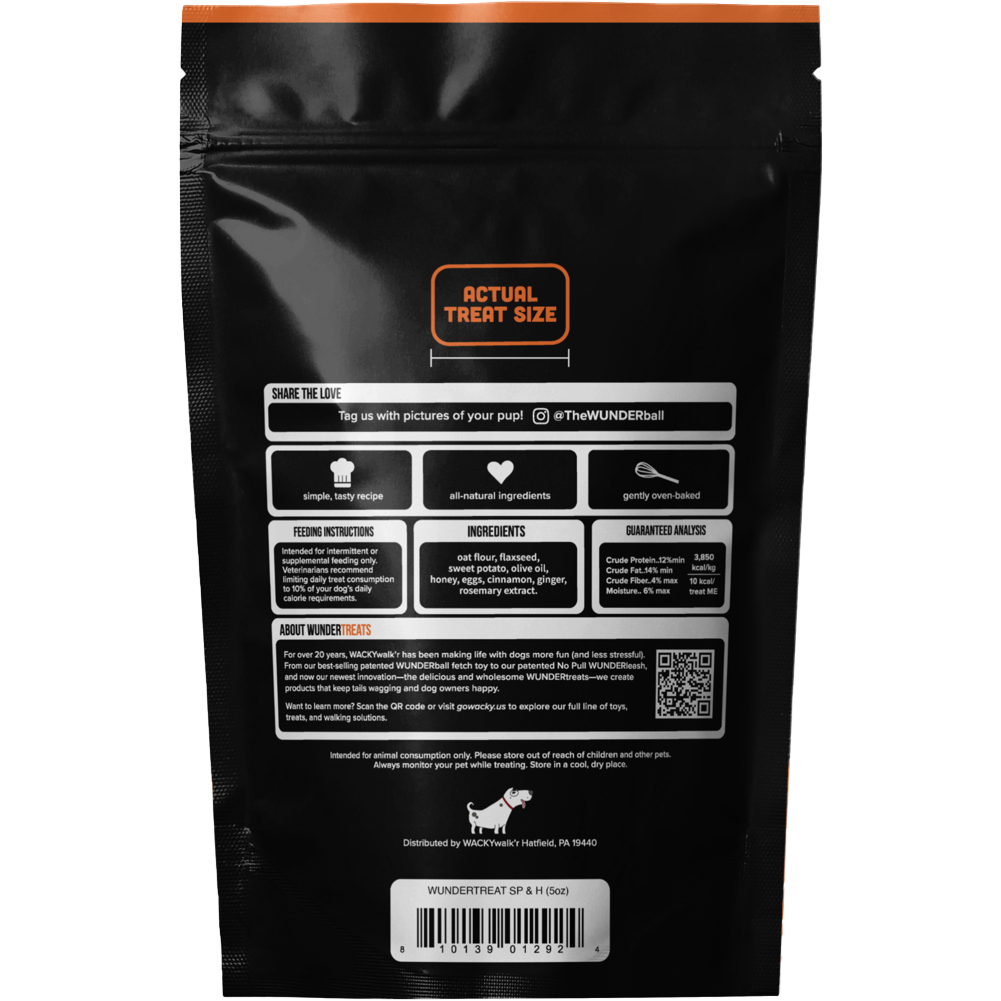
Every treat needs some form of preservation to stay fresh, but not all preservatives are created equal. Natural options include mixed tocopherols (vitamin E), rosemary extract, and citric acid. These keep treats shelf-stable without introducing potentially harmful chemicals into your dog's diet. WUNDERtreats from the WACKYwalk’r lineup are all-natural, oven-baked dog treats made with wholesome ingredients like oat flour, flaxseed, sweet potato, peanut butter, blueberry, olive oil, honey, and a blend of natural spices such as ginger, cinnamon, and rosemary extract. They contain no artificial additives or preservatives, and the gentle baking process helps preserve nutrients while creating a satisfying crunch that many dogs enjoy. WUNDERtreats are made in the United States and crafted to be a flavorful, natural reward option that complements regular walks and training sessions.

Decoding the Dog Treat Nutrition Label
That tiny label on the back of the package holds crucial information, but it can feel like reading a foreign language at first. Let's break it down.
Understanding the Guaranteed Analysis
The guaranteed analysis section shows minimum and maximum percentages of key nutrients. Pay attention to:
- Crude protein (higher is generally better for meat-based treats)
- Crude fat (important for energy, but watch amounts for overweight dogs)
- Crude fiber (supports digestive health)
- Moisture content (affects calorie density)
Compare these numbers across brands to find treats that align with your dog's specific nutritional needs.
The Order of Ingredients Rule
Ingredients are listed by weight before processing, with the heaviest appearing first. This means whatever's listed at the top makes up the largest portion of the treat. If chicken is first, you're getting a protein-rich snack. If corn or wheat appears first, you're essentially giving your dog a carb-heavy filler treat with minimal nutritional value.
Red Flags: Ingredients to Avoid at All Costs
Some ingredients have no place in quality dog treats. Learning to spot these warning signs protects your pup from unnecessary health risks.
Artificial Colors, Flavors, and Sweeteners
Dogs don't care what color their treats are, so artificial dyes like Red 40 or Yellow 5 may cause allergic reactions in some sensitive dogs. Choosing dye-free treats is still advisable to minimize unnecessary additives. Artificial flavors mask low-quality ingredients, and sweeteners like xylitol are actually toxic to dogs. Stick with treats that get their appeal from real ingredients.
Chemical Preservatives Like BHA and BHT
BHA (butylated hydroxyanisole) and BHT (butylated hydroxytoluene) are synthetic preservatives approved for limited use in pet foods. Although high-dose studies in rodents suggest potential health risks, regulatory agencies consider them safe at the low levels used in commercial pet products. Owners who prefer to avoid synthetic preservatives can choose naturally preserved treats. Ethoxyquin, another chemical preservative, was originally developed as a pesticide. Your dog deserves better than laboratory chemicals in their snacks.
Excessive Fillers and Simple Sugars
Watch out for treats loaded with corn, wheat, and soy, which offer little nutritional value and commonly trigger allergies. Simple sugars and corn syrup contribute to obesity and dental problems. A quality treat shouldn't need these cheap fillers to taste good.
Sourcing and Manufacturing Standards
Where and how treats are made directly impacts their safety and quality.
The Significance of Country of Origin
Manufacturing location matters more than many pet parents realize. The United States, Canada, Australia, and New Zealand maintain strict pet food safety standards. Products made in North America, like WACKYwalk'r's dog products, undergo rigorous quality control. Some overseas manufacturers have been linked to contamination issues, so checking the country of origin provides an extra layer of confidence.
Safety Certifications and Quality Control
Look for treats from manufacturers with:
- AAFCO nutrient profiles or produced by manufacturers that follow AAFCO feeding guidelines.
- FDA registration
- Third-party testing certifications
- Transparent sourcing information
Companies willing to share their manufacturing processes typically have nothing to hide.
Choosing the Right Treat for Specific Needs
Different dogs have different requirements, and the best treat varies based on your pup's individual situation.
Low-Calorie Options for Weight Management
If your dog needs to shed a few pounds, treats shouldn't derail their diet. Seek options with:
- Under 10 calories per treat
- High protein, low fat formulations
- Single-ingredient treats like freeze-dried meat
- Vegetable-based options like sweet potato chews
Remember that treats should comprise no more than 10% of your dog's daily caloric intake.
Hypoallergenic and Limited Ingredient Recipes
Dogs with sensitivities benefit from limited-ingredient treats featuring novel proteins like duck, venison, or rabbit. These recipes minimize potential allergens while still providing tasty rewards. Single-protein treats make it much easier to identify problematic ingredients if reactions occur.
Safe Feeding Practices and Portion Control
Even the healthiest treat becomes problematic when overfed. Adjust meal portions on days when you're training heavily with treats. Break larger treats into smaller pieces to extend training sessions without overfeeding. Always supervise your dog when new treats are introduced, especially chews that could pose a choking hazard. Fresh water should always be available, particularly with drier treat options.

Frequently Asked Questions
How many treats can I give my dog daily?
Treats should make up no more than 10% of your dog's total daily calories. For a medium-sized dog eating 1,000 calories daily, that's about 100 calories in treats.
Are grain-free treats better for my dog?
Not necessarily. Unless your dog has a diagnosed grain allergy, whole grains like brown rice and oatmeal provide beneficial fiber and nutrients. The grain-free trend lacks strong evidence of benefit for most dogs and has been investigated by the FDA for possible associations with canine heart disease. Unless your veterinarian recommends otherwise, whole grains can safely remain part of your dog’s diet.
How long do opened dog treats stay fresh?
Treat freshness after opening varies by type. Baked and soft treats may last 1–3 weeks, while freeze-dried or dehydrated treats often remain stable for several months if sealed tightly and stored in a cool, dry place. Always follow the manufacturer’s storage instructions.
Can puppies eat the same treats as adult dogs?
Puppies can eat many adult treats, but look for softer options appropriate for developing teeth. Large-breed puppies are sensitive to excessive calcium intake, especially in complete diets with imbalanced calcium-to-phosphorus ratios. Occasional treats are unlikely to cause issues, but choose those formulated for puppies to ensure appropriate nutrient levels.
Making Treat Time Count
Selecting quality treats is an act of love that pays dividends in your dog's health and happiness. By understanding ingredients, reading labels carefully, and avoiding common red flags, you become your pup's best advocate. Start checking those labels on your next shopping trip, and don't hesitate to put back products that don't meet your new standards. Your dog trusts you to make good choices, and now you know to do exactly that.
Ready to explore more ways to enhance your dog's life? Check out WUNDERtreats from WACKYwalk’r for a simple, all-natural reward made to pair with everyday walks and training.